
Applications & Case Briefs

Micro Gear Motor Application Cases for OEM Buyers

Match miniature geared motor architecture to real device conditions across medical instruments, robotics, AGV modules, smart locks, valves, industrial fixtures, and compact hardware.

These briefs turn application risk into quote-ready inputs: motion target, load condition, motor envelope, feedback, acoustic limits, compliance scope, and validation evidence.
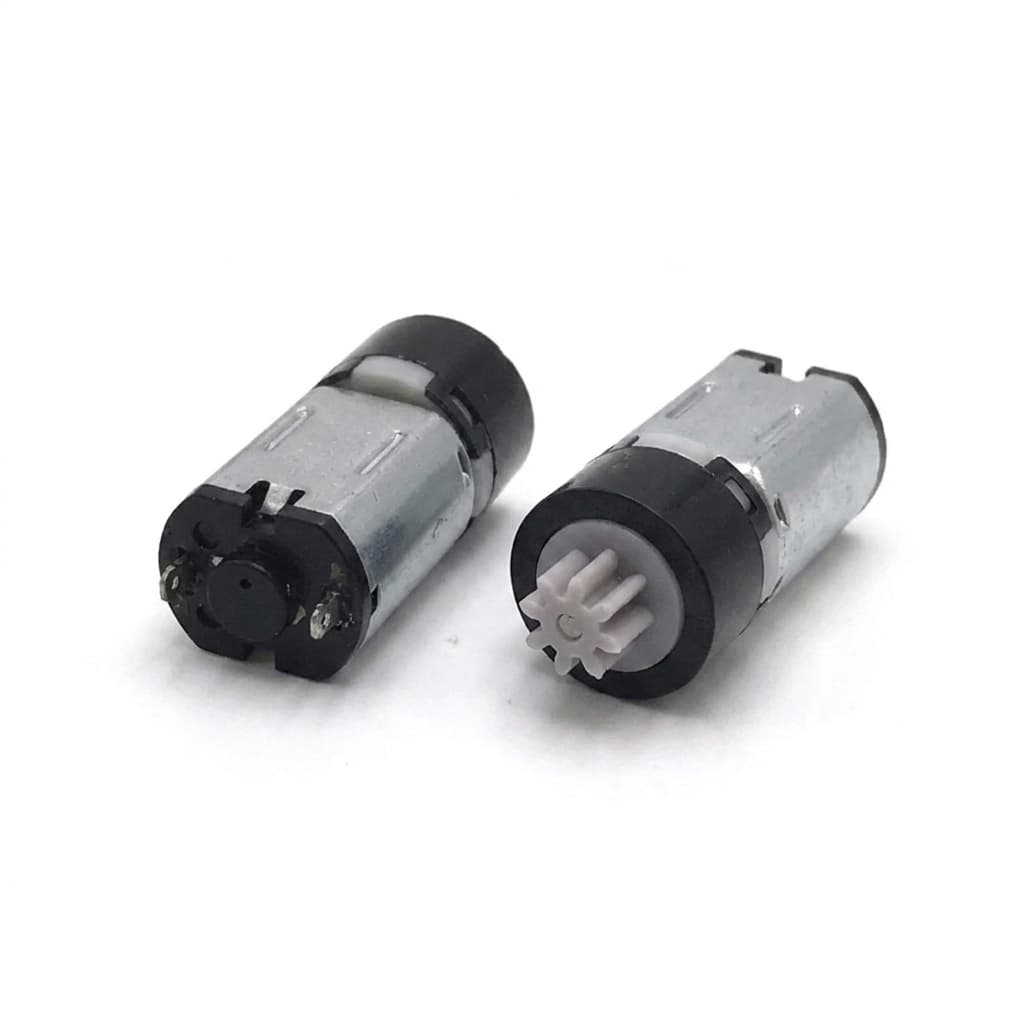
Micro planetary gear motor samples for OEM application case review

5

application case tracks

4

quote-risk checkpoints

6

RFQ scenario fields

OEM

sample-to-volume context

Case Brief Index

Start from the application risk, then choose the motor family

A catalog model number is useful only after the buyer has mapped load, speed, electrical limits, packaging, evidence, and commercial stage. Use each brief as a structured pre-RFQ review.
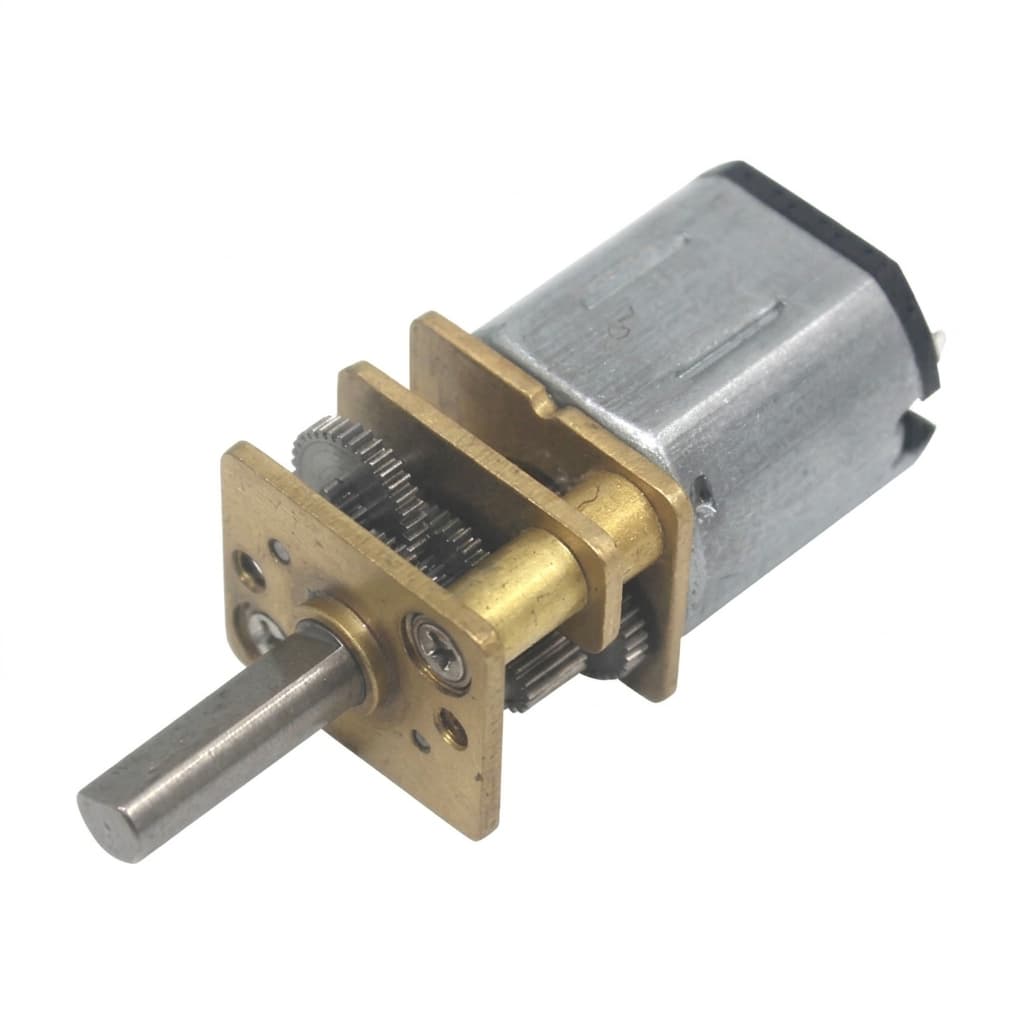
Compact micro gear motor used for medical instrument motion modules

Medical & Precision Instruments

Medical, Rehabilitation, and Instrument Drives

Miniature drives for IVD analyzers, sampling modules, insulin pump mechanisms, optical positioning, and rehabilitation devices where smooth speed control, low EMI, low noise, and traceable validation matter.

Recommended architecture

Low-noise brushed DC or BLDC geared motor with planetary/spur gearbox, encoder or Hall feedback when position confirmation is required.
Key risks

  • Current spikes, EMI, or speed ripple can disturb sensors and low-voltage controllers.
  • Noise, backlash, and heat rise are visible in handheld, tabletop, or patient-adjacent equipment.
  • Qualification teams need drawing revision, EOL data, and compliance file alignment before pilot release.

Proof to request

  • Loaded speed stability and current trend at the target duty cycle
  • Noise test method with fixture, distance, voltage, and run-in condition
  • Life-test or accelerated sample plan tied to batch traceability

RFQ inputs

  • Pump stroke, sample motion, or positioning travel requirement
  • Voltage, controller current limit, feedback format, and EMI concern
  • Noise limit, duty cycle, lifetime target, and compliance document scope
Micro geared motor for robotics gripper and automation drive modules

Industrial Automation & Robotics

Robotics, Grippers, and AGV Subsystems

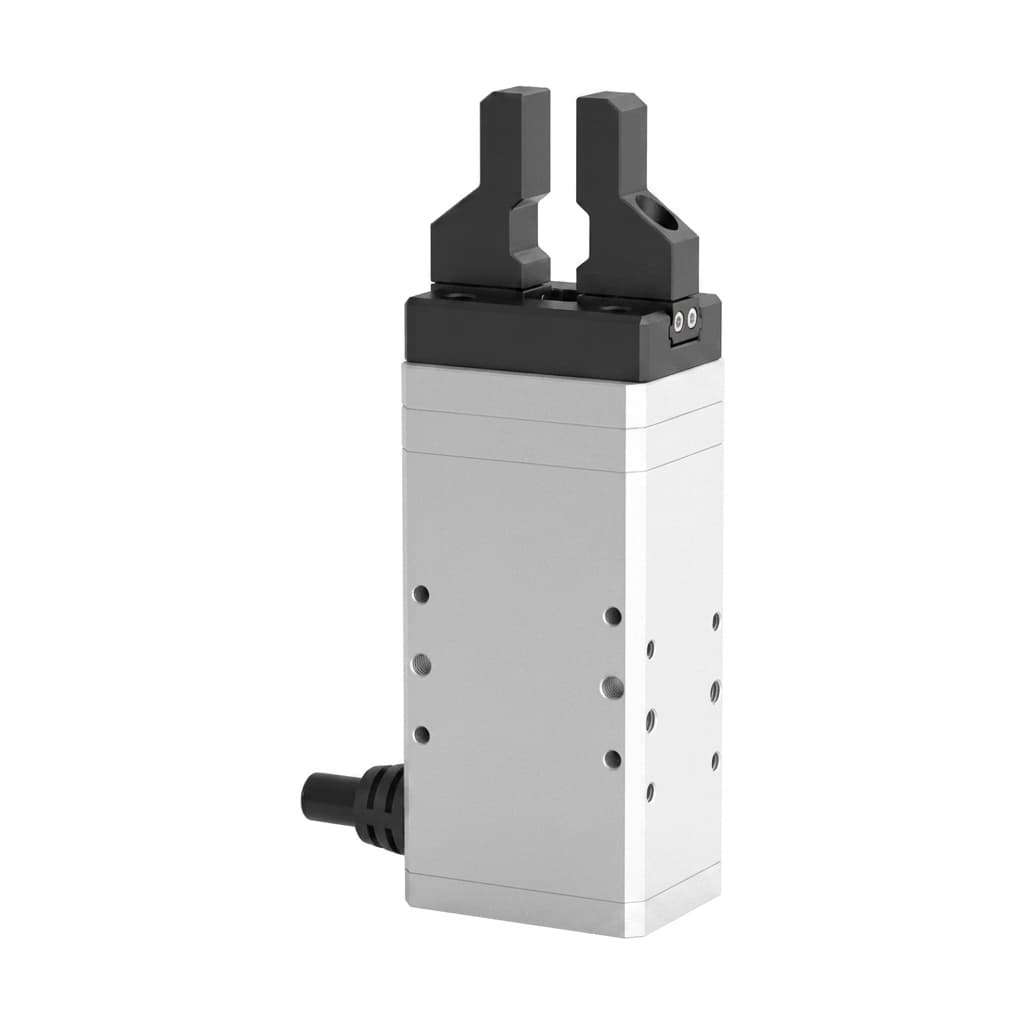
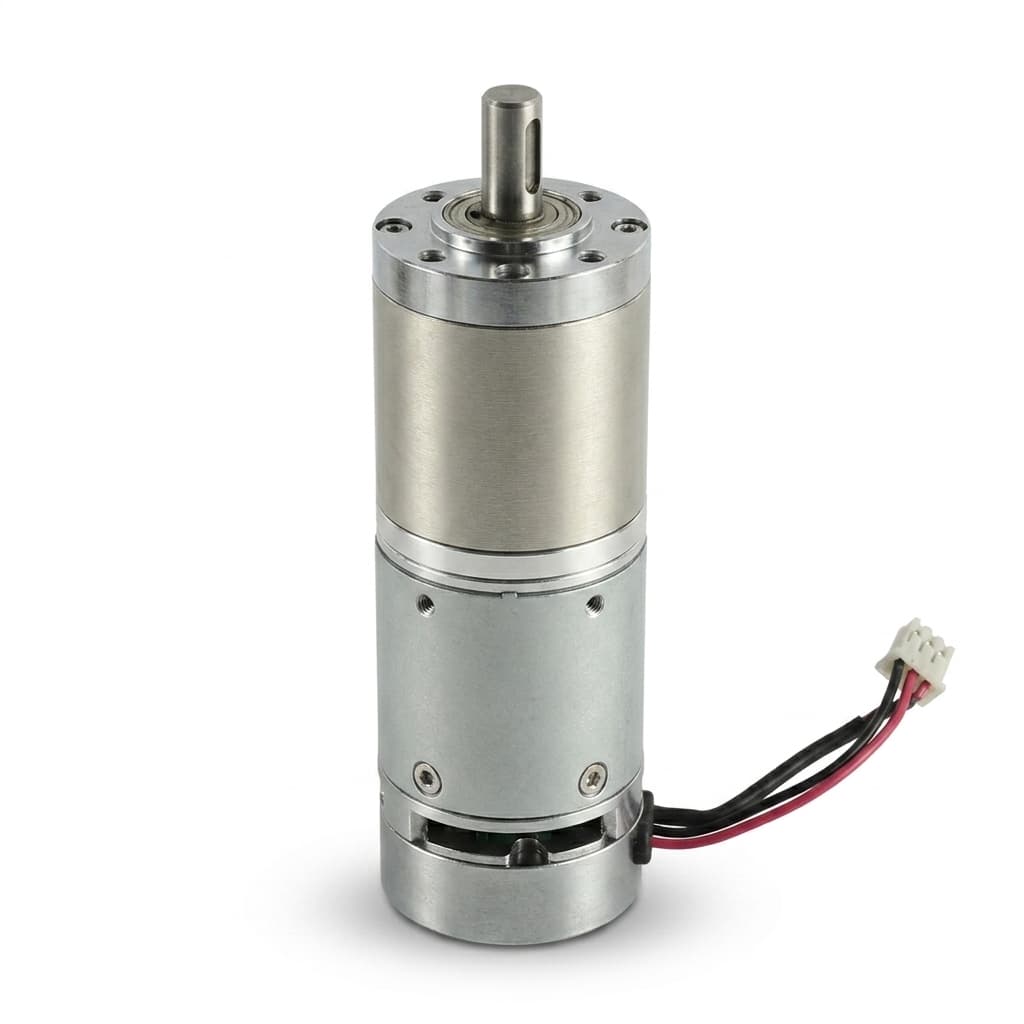
Compact planetary, encoder, and customized gearmotor programs for grippers, cobot end-effectors, AGV accessory motion, sorting equipment, and automated fixtures exposed to reversing load and shock.

Recommended architecture

Metal planetary gearmotor or encoder gearmotor with hardened output interface, controlled backlash, and torque reserve for gripping or indexing.
Key risks

  • Shock load and reversing cycles can damage plastic gears or weak output shafts.
  • Backlash and response delay can cause missed gripping, fixture repeatability, or pick-and-place errors.
  • Closed-loop response depends on encoder resolution, controller assumptions, and cable routing.

Proof to request

  • Torque-speed data at the real gripping or indexing load
  • Reverse-cycle backlash review and output shaft interface check
  • Encoder pulse, pinout, cable, and controller compatibility confirmation

RFQ inputs

  • Grip force, lever arm, output RPM, duty cycle, and stall condition
  • Allowed backlash, impact load, shaft/flange drawing, and mounting orientation
  • Encoder CPR, supply voltage, controller input type, and harness route
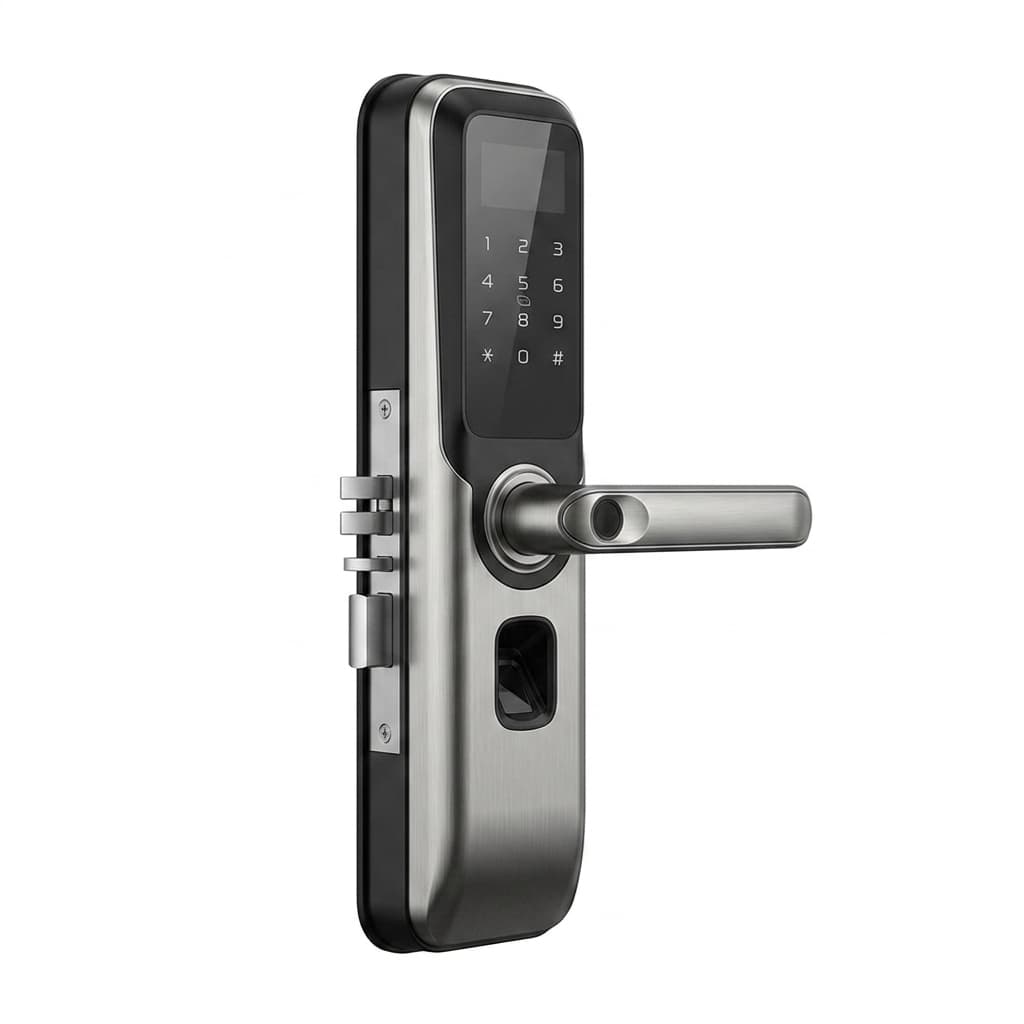
Right-angle micro gear motor used for smart lock and security actuator modules

Smart Home & Security

Smart Locks, Curtains, Valves, and Security Hardware

Right-angle, worm, N20, and compact spur gearmotor paths for smart locks, latch modules, curtains, dampers, and valves where low current, quiet motion, compact envelope, and anti-backdrive behavior are central.

Recommended architecture

Worm or right-angle micro gearmotor for self-locking resistance, or compact spur/N20 gearmotor when cost, package, and fast sampling dominate.
Key risks

  • Battery devices fail commercially when stall current, standby leakage, or cold-start load is underestimated.
  • Back-driving, forced entry load, or valve pressure can invalidate simple torque assumptions.
  • Consumer hardware exposes gear noise, vibration, and inconsistent end-stop behavior quickly.

Proof to request

  • Locked-rotor and cold-start current checks against battery and PCB limit
  • Backdrive or holding review at the actual latch, curtain, or valve load
  • Acoustic and end-stop test with installation orientation defined

RFQ inputs

  • Actuation angle or travel, latch/valve load, and self-locking expectation
  • Battery voltage, current limit, wake frequency, and standby requirement
  • Envelope, output direction, shaft/flange drawing, and acoustic target
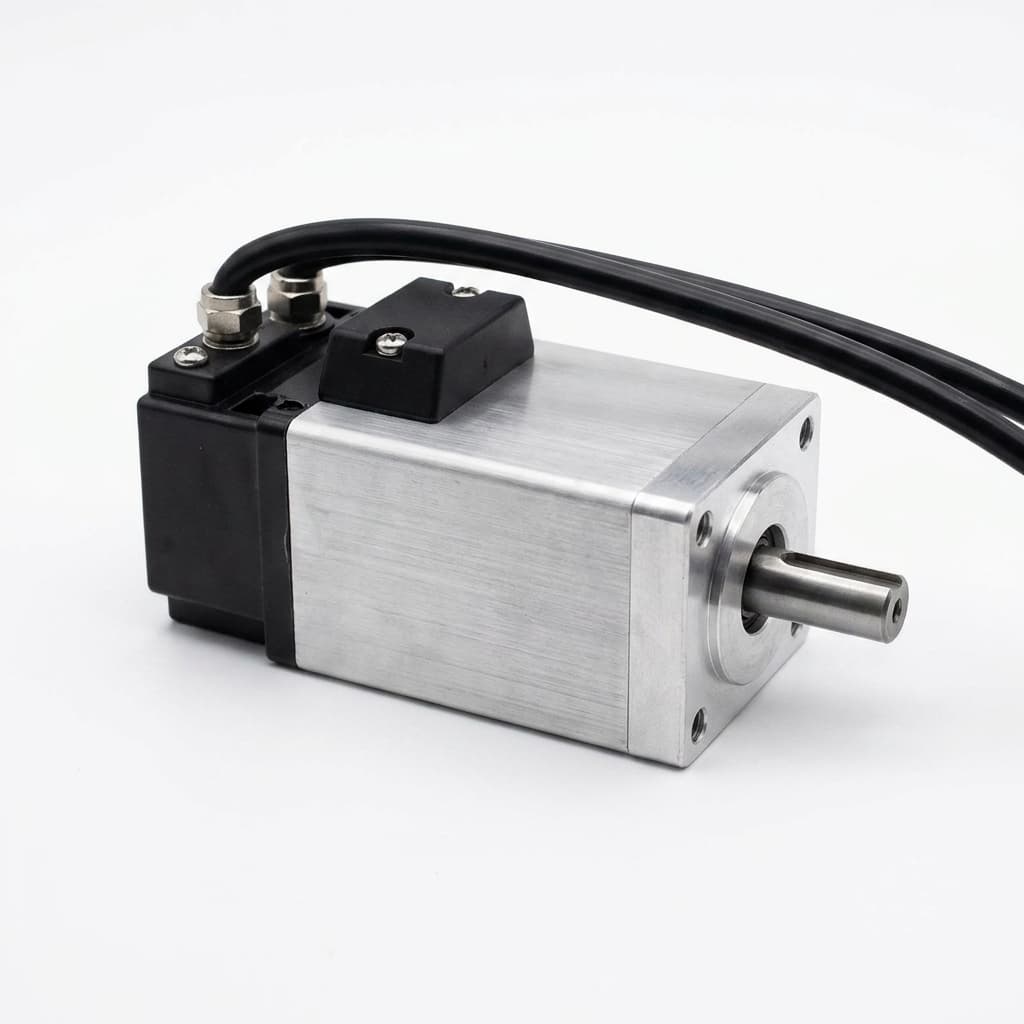
Micro gear motor for compact industrial automation and fixture drive programs

Industrial Controls

Automated Fixtures, Valves, and Compact Machinery

Repeatable miniature geared motor supply for conveyors, fixtures, dispensing equipment, metering modules, valves, and compact industrial machines that need batch consistency and clear release gates.

Recommended architecture

Planetary, spur, BLDC, or encoder gearmotor selected by continuous torque, thermal window, shock load, and required feedback.
Key risks

  • Continuous or frequent-cycle use shifts the decision from stall torque to thermal rise and duty cycle.
  • Fixture loading can introduce side load, axial load, or shock conditions not visible in a catalog table.
  • Production teams need stable outgoing inspection criteria before repeat orders scale.

Proof to request

  • Duty-cycle and temperature-rise plan at rated load
  • Outgoing inspection limits for speed, current, direction, noise, and visual checks
  • Pilot-run record tied to drawing revision and CTQ dimensions

RFQ inputs

  • Load curve, target output RPM, duty cycle, and ambient temperature
  • Mounting orientation, shaft load, connector, cable, and enclosure constraints
  • Prototype quantity, annual volume, EOL report format, and delivery location
Miniature gear motor sample for compact consumer hardware and optical modules

Compact Hardware OEM

Consumer, Optical, and Compact Hardware Modules

Small geared motor programs for optical modules, cameras, dispensers, wearable devices, toys, and compact hardware where envelope, acoustic feel, and cost-down choices must be balanced early.

Recommended architecture

N20, spur, low-noise brushed DC, or compact BLDC gearmotor selected by envelope, target sound, cycle life, and target landed cost.

Key risks

  • Tiny package constraints often leave little room for connector, shaft, flange, and cable changes after ID freeze.
  • Low-cost gear trains still need clear duty-cycle, noise, and sample acceptance limits.
  • Consumer programs need fast sample decisions without losing revision control.

Proof to request

  • Envelope and mating-part review with 2D drawing or STEP request
  • Noise, run-in, and current check for the installed assembly
  • Cost-down option review after function and reliability gates pass

RFQ inputs

  • Maximum OD/length, shaft feature, mounting clearance, and cable route
  • Target RPM, torque, voltage, duty cycle, and noise expectation
  • Sample date, cost target, annual forecast, and packaging requirement
Decision Matrix

What procurement should verify before model selection

The same motor family can behave differently once installed. These checks keep the RFQ tied to the real mechanism instead of an isolated no-load-speed table.

Buyer QuestionRisk SignalSuggested Proof
Is the motor only moving briefly or running often?Frequent starts or continuous duty changes the design from torque-only selection to thermal and life validation.Duty-cycle profile, loaded current, case temperature, and sample run record.
Will the load try to reverse or back-drive the gearbox?Locks, valves, curtains, grippers, and vertical loads may need worm, brake-like behavior, or a stronger gearbox.Backdrive test, holding torque assumption, end-stop condition, and load direction.
Does the controller require feedback?Closed-loop positioning depends on encoder format, pulse count, pinout, noise immunity, and firmware assumptions.Encoder CPR, signal type, cable length, connector drawing, and controller input limits.
Can procurement qualify the supplier file?Regulated or high-volume programs need compliance declarations, EOL scope, traceability, and revision control early.Quality checklist, compliance file request, inspection template, and approved sample gate.
Structured RFQ

Scenario fields that reduce quote loops

REQUIREMENTS.md called out application-scenario selection as a core inquiry behavior. These fields mirror that buyer workflow and should be included before asking for final sample timing.

  • Application segment and device module
  • Motion target: stroke, angle, RPM, force, torque, or position accuracy
  • Motor envelope: OD, length, output direction, mounting, shaft, and connector
  • Electrical window: voltage, current limit, driver, feedback, and EMI concern
  • Validation need: noise, life, duty cycle, temperature, backlash, self-locking, EOL report
  • Commercial plan: prototype quantity, annual forecast, destination, target date, and compliance scope
Scenario RFQ

Send the application context with the inquiry

Choose the closest case track, then add the load point and validation risks that decide sample approval. The same structured payload is included in the email notification.

  • Medical, robotics, smart hardware, industrial, or compact module context.
  • Motion, load, envelope, electrical, and feedback constraints.
  • Noise, EMI, backlash, life, traceability, and compliance priorities.
  • Noise / vibration
  • EMI / current spike
  • Backlash / self-locking
  • Duty cycle / heat rise
  • Life test / traceability
  • Compliance file scope
Email directly

If the form is unavailable, contact [email protected] or WhatsApp +86 188 5797 1991. Business RFQ data is used only for engineering review and quotation routing. See the Privacy Policy.

Common Application Review Questions

Can we quote from a similar case if final drawings are not ready?

Yes. Send current envelope, motion target, load, voltage, and expected constraints. The quote should be marked provisional until shaft, flange, connector, and validation gates are locked.

Should we pick the smallest gearmotor first?

Only after confirming thermal margin, current limit, gearbox life, and mechanical interface. The smallest package is not always the lowest-risk pilot option.

When do compliance and quality files matter?

They matter before pilot approval for medical, consumer, regulated, or high-volume programs. Define requested documents and report fields in the RFQ stage.

Inquiry Email

[email protected]

Include target torque/speed, quantity, and delivery location.

Instant Chat

+86 188 5797 1991

Routed to sales engineering for RFQ follow-up.