
Back to OEM Capabilities

Low-Noise and Lifetime Validation

Engineering review for acoustic noise, gear wear, duty cycle, thermal rise, and batch consistency.

Best Fit For:For teams that need more than a catalog motor and must manage field reliability.
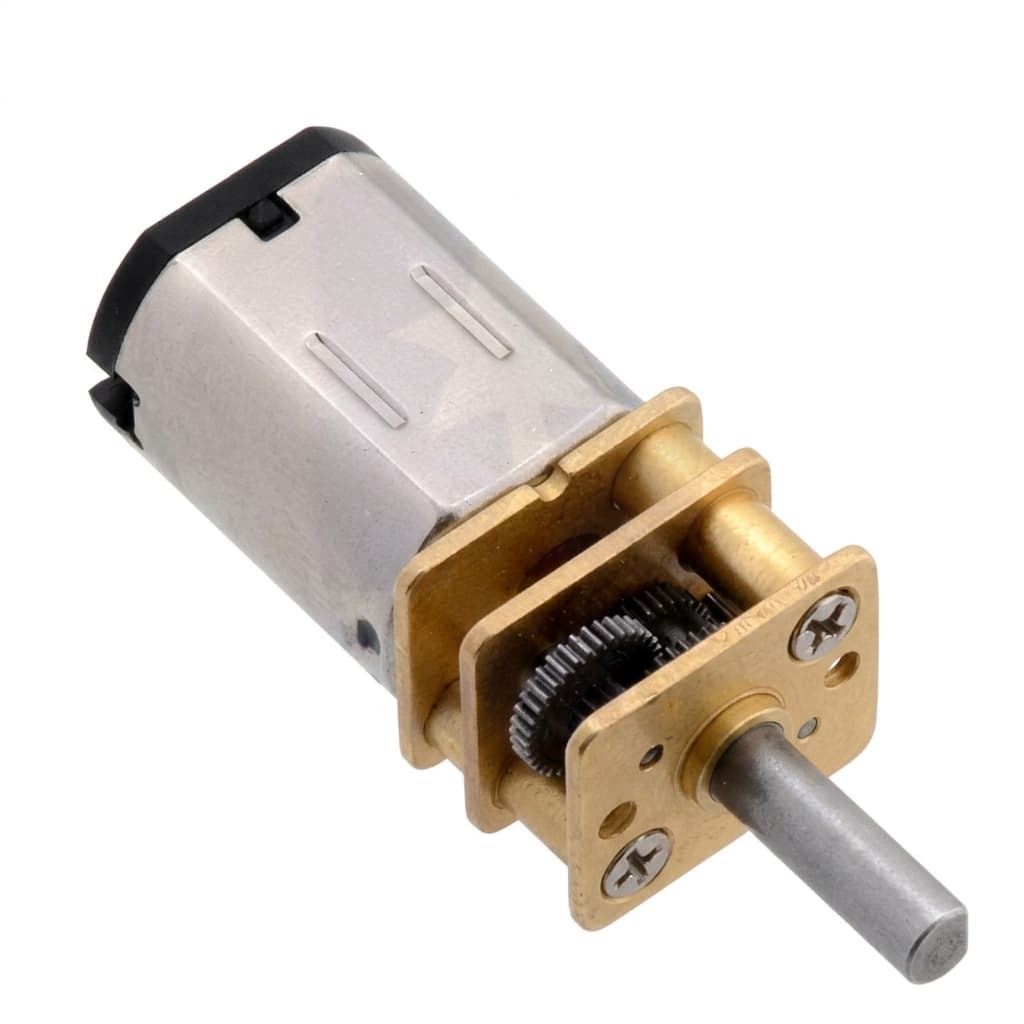
Low-noise and lifetime validation motor

Capability Highlights

  • Noise root-cause review
  • Duty-cycle validation
  • Inspection windows

Typical Engagement Scope

  • Medical devices
  • Consumer hardware
  • Office devices

Execution Focus

  • Noise source isolation
  • Gear material and grease
  • Acceptance criteria and inspection plan

Program Input Window

Align these inputs before sample sourcing, tooling review, pilot approval, or repeat production.

Input AreaProgram GuidanceBuyer Input Needed
Acoustic test conditionNoise data is only useful when distance, load, enclosure, voltage, and fixture are controlled.dBA limit, test distance, enclosure state, voltage, load, and acceptable sound profile.
Lifetime duty profileCycle life should include run time, rest time, load, direction changes, stall events, and ambient range.Cycle count or hours, torque, RPM, duty cycle, temperature, and overload events.
Wear and thermal controlsGear material, grease, bearing support, and motor speed should be selected together.Allowed temperature rise, wear limit, lubrication concern, and orientation.
Acceptance evidenceTest outputs should connect to CTQ windows that production can repeat.Required report format, sample size, pass criteria, and inspection records.

OEM Evidence Pack

Plan the right review files for Low-Noise and Lifetime Validation

These buyer-side templates turn the OEM capability page into a practical approval path: program intake, custom drawing scope, sample validation, and pilot quality release.

Request OEM Review

Sourcing intake

OEM Program RFQ Baseline

Start Low-Noise and Lifetime Validation review with the same envelope, load, voltage, interface, sample, forecast, and timeline fields used by engineering and procurement.

  • Noise limit, measurement distance, and enclosure condition
  • Load profile, duty cycle, cycle count, and lifetime target
  • Ambient temperature, humidity, orientation, and mounting support
Engineering review

Drawing and Custom Control Scope

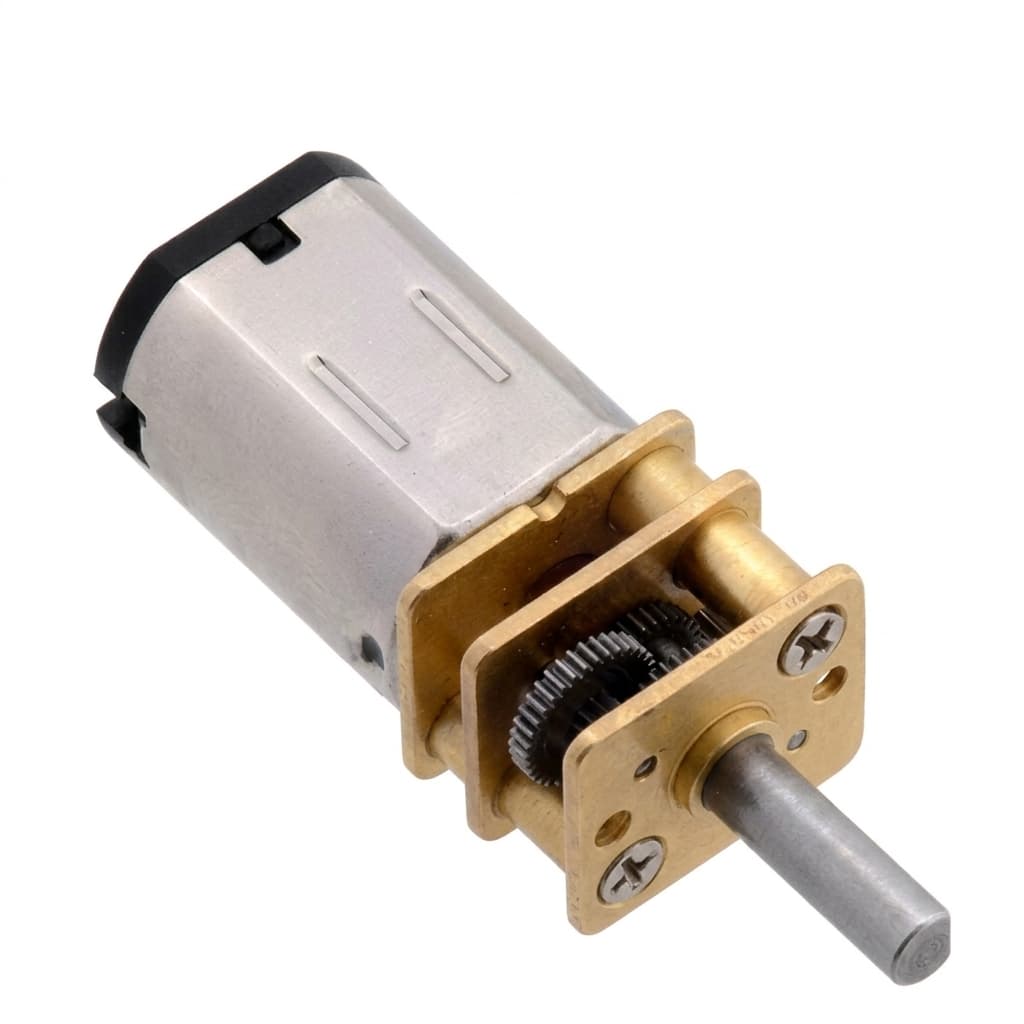
Separate fast adaptations from tooling-level changes so ratio, shaft, flange, harness, connector, and documentation expectations are visible before sample release.

  • Gear material, grease, ratio, motor speed, and preload tuning for acoustic behavior.
  • Bearing, shaft support, and gearbox architecture review for wear reduction.
  • Low-noise winding or BLDC options where control smoothness and life justify the cost.

Sample approval

Sample and CTQ Validation Record

Use one report path for loaded performance, CTQ dimensions, current, temperature, noise, and approved-sample comparison before pilot qualification.

  • Acoustic test record with voltage, load, distance, fixture, and enclosure notes.
  • Thermal rise and current trend under the declared duty profile.
  • Cycle-life or accelerated-wear plan with inspection checkpoints.

Pilot / repeat order

Pilot Quality Release Package

Lock inspection evidence, production release checks, compliance scope, packaging, labeling, and traceability before repeat orders scale.

  • Thermal rise and current trend under the declared duty profile.
  • Cycle-life or accelerated-wear plan with inspection checkpoints.
  • Production outgoing windows for noise, current, speed, and direction.

Program Evaluation Matrix

Program MetricTypical RangeProcurement Value
Life targetBuyer-defined cycles or hoursTransforms a motor quote into a validation plan with measurable acceptance criteria.
Noise acceptance windowDevice and test method definedPrevents subjective acoustic disputes by defining distance, fixture, load, and pass criteria.
Thermal marginDuty-cycle dependentGear wear, grease stability, and winding life all depend on operating temperature under real duty.

OEM Control Options

  • Gear material, grease, ratio, motor speed, and preload tuning for acoustic behavior.
  • Bearing, shaft support, and gearbox architecture review for wear reduction.
  • Low-noise winding or BLDC options where control smoothness and life justify the cost.
  • Project-specific inspection windows for noise, current, speed, backlash, and thermal rise.

Evidence Buyers Can Request

  • Acoustic test record with voltage, load, distance, fixture, and enclosure notes.
  • Thermal rise and current trend under the declared duty profile.
  • Cycle-life or accelerated-wear plan with inspection checkpoints.
  • Production outgoing windows for noise, current, speed, and direction.

RFQ Preparation Checklist

  1. Noise limit, measurement distance, and enclosure condition
  2. Load profile, duty cycle, cycle count, and lifetime target
  3. Ambient temperature, humidity, orientation, and mounting support
  4. Gear material, grease, bearing, and motor speed constraints
  5. Required test report, sample count, and acceptance criteria

Risk and Mitigation

  • Catalog-only selection misses real duty cycle: Review load, temperature, start-stop frequency, and enclosure before approving a sample.
  • Noise improves on bench but fails in the buyer enclosure: Validate with representative mounting, enclosure material, load, and measurement distance.

Related Products

Lifetime testing candidate gearmotor housing

Buyer FAQ

Can you tune for lower noise?

Yes. Gear material, grease, motor speed, ratio, bearing, and housing support can all influence noise.

What should be included in a lifetime validation request?

Include load torque, speed, duty cycle, temperature range, cycle count, acceptable wear, noise target, and reporting needs.

Recommended Decision Path

Continue from this OEM capability into product families, application pages, and adjacent controls needed for sourcing approval.

OEM Evidence Intake

Request Validation Files for This Program

Use this intake when engineering, procurement, or quality teams need drawing review, sample evidence, CTQ controls, compliance files, or pilot-lot documentation before supplier approval.

Evidence Package to Request

Layer 1 - OEM Program Context

Layer 2 - Quality and Documentation Scope

Layer 3 - Commercial Execution

Email DraftWhatsApp

Source: /oem/low-noise-lifetime-validation. Attach CAD, drawings, or existing test data in the follow-up email thread when file transfer is required.