
Back to Solutions

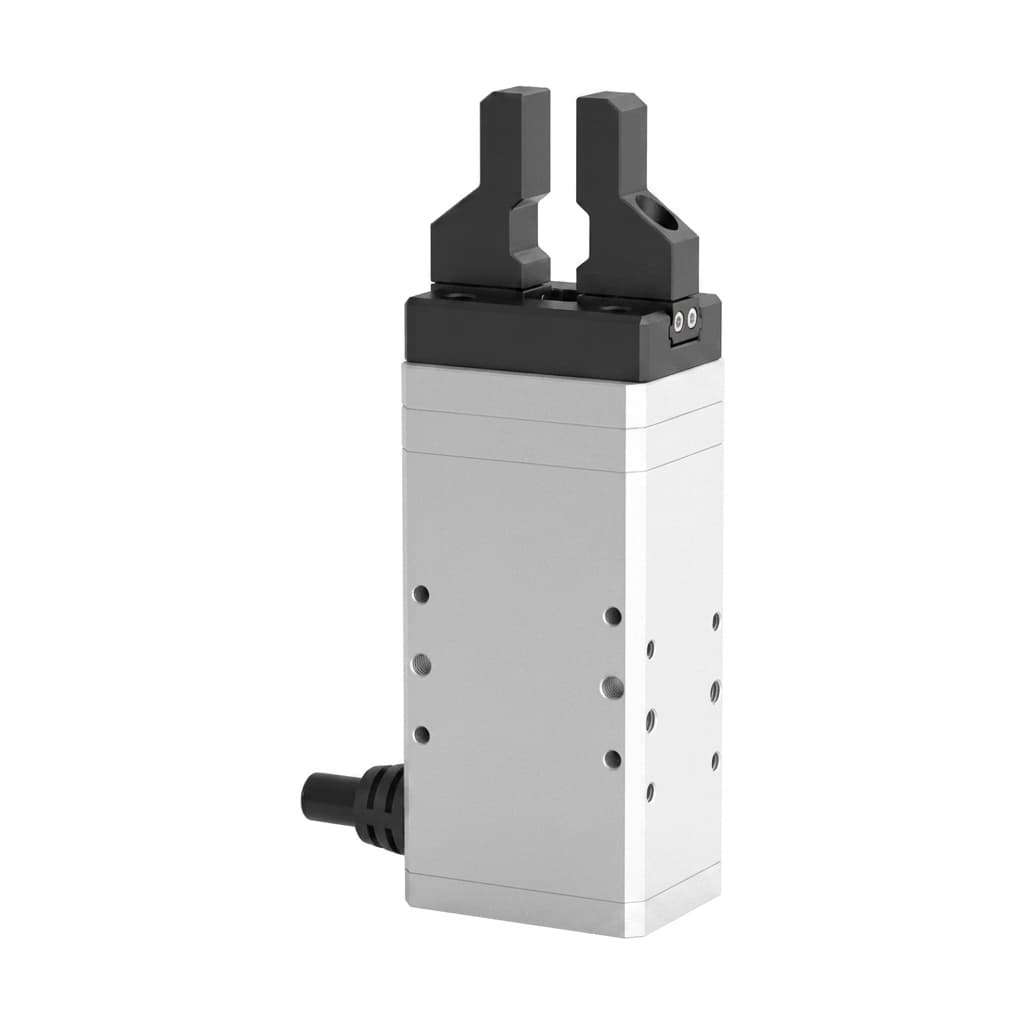
Micro Gear Motors for Robotics Grippers

Compact geared drives for robotic fingers, grippers, latches, and light joint mechanisms.

Target Buyer:For robotics teams that need fast samples and custom packaging for constrained mechanisms.
Micro gear motors for robotics grippers

Solution Highlights

  • High torque in small OD
  • Custom shafts
  • Encoder options

Common Use Cases

  • Robot grippers
  • EOAT tools
  • Desktop automation

Implementation Focus

  • Stall torque and overload behavior
  • Backlash and repeatability
  • Harness routing through small joints

Application Drive Profile

Recommended Architecture and Validation Focus

Application
Robotics / gripper motion
Priority
Low backlash, high shock load, repeatable force
Architecture
Metal planetary gearmotor with encoder
Voltage
6V-24V
Feedback
Encoder or Hall feedback recommended
Validation
Backlash, stall current, jaw repeatability

Robotic fingers, EOAT tools, compact joints, and AGV accessory actuators.

Application Selection Window

Use these inputs to narrow motor architecture, ratio, feedback, and interface choices before sample review.

ParameterSelection GuidanceBuyer Input Needed
Output torque and jaw forceConvert required jaw force through the linkage ratio and include friction, duty cycle, and safety margin.Payload, jaw length, linkage layout, hold force, and release force.
Stroke speed and controlGear ratio should be selected from loaded cycle time, not no-load motor RPM.Open-close stroke, target cycle time, controller voltage, and current limit.
Backlash and sensingPlanetary gearing or encoder feedback may be needed when grasp repeatability is more important than lowest cost.Allowed backlash, position feedback needs, and homing method.
Mechanical integrationShaft, flat, pinion, flange, and cable exit should be frozen before pilot tooling.3D envelope, output interface drawing, mounting pattern, and harness path.

Application Architecture Fit

Match the device constraint to a motor architecture, required buyer input, and proof package before sample release.

RequirementRecommended PathBuyer InputProof to Request
Repeatable jaw positionUse planetary gearing or encoder feedback when backlash affects part detection.Jaw stroke, allowed backlash, homing method, and controller logic.Backlash inspection, encoder waveform, and loaded open-close repeatability record.
Transient shock during graspingReview metal gear material, current limit, and stall duty before sample release.Payload, linkage geometry, peak hold force, and expected jam events.Loaded current curve, stall review, and gear train material confirmation.
Small moving harness pathFreeze cable exit, strain relief, connector, and bend radius with the gripper CAD.Harness route, flex count target, connector type, and available bend radius.Harness drawing, polarity check, and pilot-lot connector inspection.

Application Evidence Pack

Request the right proof set for Micro Gear Motors for Robotics Grippers

These buyer-side templates connect the application page to RFQ intake, architecture review, sample validation, and quality release. They make procurement and engineering ask for the same documents at the same approval stage.

Request Application Review

Use-case definition

Application RFQ Scope

Frame Micro Gear Motors for Robotics Grippers with the same load, motion, voltage, envelope, interface, project stage, and forecast inputs used by the engineering team.

  • Payload, jaw geometry, and required hold force
  • Stroke, cycle time, and acceptable backlash
  • Voltage, current limit, and driver control method
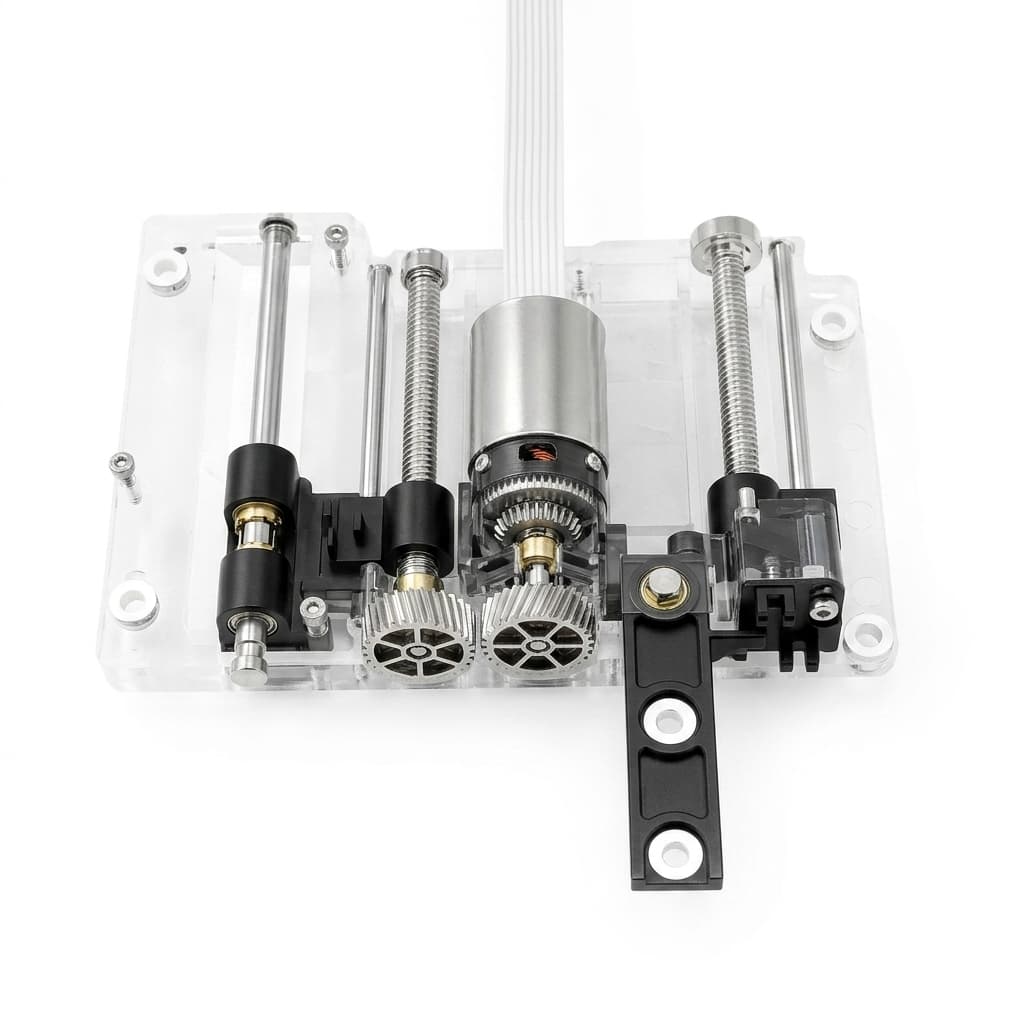
Motor architecture fit

Architecture Proof Request

Use application-specific proof requests to decide whether spur, planetary, worm, right-angle, encoder, or custom interface paths should move into sample review.

  • Backlash inspection, encoder waveform, and loaded open-close repeatability record.
  • Loaded current curve, stall review, and gear train material confirmation.
  • Harness drawing, polarity check, and pilot-lot connector inspection.

Sample validation

Application Validation Record

Keep loaded speed, current, torque, temperature, acoustic, duty-cycle, and risk notes comparable before sample approval.

  • Loaded cycle test with current, speed, and jaw force checkpoints.
  • Feedback pulse check and repeatability comparison against the approved sample.
  • Harness drawing and flex-route inspection during pilot assembly.

Pilot / repeat order

Pilot Quality Release

Tie the approved application sample to incoming inspection, EOL checks, packaging, labeling, and compliance documents before repeat orders scale.

  • Loaded open-close current and speed curve at the buyer voltage.
  • Stall and current-limit review for repeated grasp events.
  • Backlash, end-play, and shaft interface inspection records.

Application Evaluation Matrix

Evaluation MetricTypical RangeBuyer Relevance
Jaw force marginLoad and linkage dependentConfirms the selected gearbox can hold the part after linkage losses and friction are included.
Backlash and repeatabilityArchitecture dependentHelps decide whether spur, planetary, worm, or encoder feedback is needed for the gripper stroke.
Peak current during stallDriver and winding dependentPrevents repeated grasping events from tripping protection or overheating the winding.

Validation Risks

Risks to Close Before Pilot Approval

Grip force drift after repeated stalls

Set current limiting, define allowed stall duration, and select gear material from the duty cycle.

Evidence: Loaded cycle test with current, speed, and jaw force checkpoints.

Lost position after impact

Use encoder or Hall feedback where the controller must confirm jaw state.

Evidence: Feedback pulse check and repeatability comparison against the approved sample.

Cable fatigue inside moving fingers

Define lead exit, bend radius, connector retention, and strain relief before tooling.

Evidence: Harness drawing and flex-route inspection during pilot assembly.

Layered RFQ Intake

Send Enough Detail for a Useful First Reply

Use the three-layer RFQ structure: application, physical parameters, then project stage. The form routes to sales engineering and keeps email and WhatsApp fallbacks available.

Layer 1 - Application

Layer 2 - Physical Parameters

Layer 3 - Project Stage

Source: robotics-gripper-drives. Attach drawings, test data, or CAD files in the follow-up email thread if they cannot be submitted through this form.

Configuration Options

  • D-cut, cross-drilled, knurled, pinion, or custom output shaft for gripper linkages.
  • Planetary, spur, worm, or right-angle gearbox architecture based on force, backlash, and packaging.
  • Encoder, Hall, or lead-wire harness options for position detection and controller integration.
  • Grease, gear material, and end-play control tuned for repeated start-stop cycles.

Validation Evidence to Request

  • Loaded open-close current and speed curve at the buyer voltage.
  • Stall and current-limit review for repeated grasp events.
  • Backlash, end-play, and shaft interface inspection records.
  • Pilot run comparison against the approved gripper sample.

RFQ Preparation Checklist

  1. Payload, jaw geometry, and required hold force
  2. Stroke, cycle time, and acceptable backlash
  3. Voltage, current limit, and driver control method
  4. Motor envelope, shaft interface, and harness exit direction
  5. Encoder, noise, life, sample quantity, and annual forecast needs

Risk and Mitigation

  • Stall abuse during grasping: Use current limit, duty-cycle review, and gear material selection.
  • Cable fatigue inside moving fingers: Define harness exit, bend radius, strain relief, and connector position before sample release.

Recommended Products

Precision gripper motor with leads

Buyer FAQ

Can you match a competitor sample?

Yes. A sample, dimensions, voltage, torque target, and use case can start an equivalence review.

When should a gripper use encoder feedback?

Use encoder feedback when the controller must detect jaw position, part presence, missed strokes, or repeatable closing distance.

Recommended Decision Path

Continue from this application into matching product families, adjacent use cases, and OEM controls that affect sample approval.

Inquiry Email

[email protected]

Include target torque/speed, quantity, and delivery location.

Instant Chat

+86 188 5797 1991

Routed to sales engineering for RFQ follow-up.