
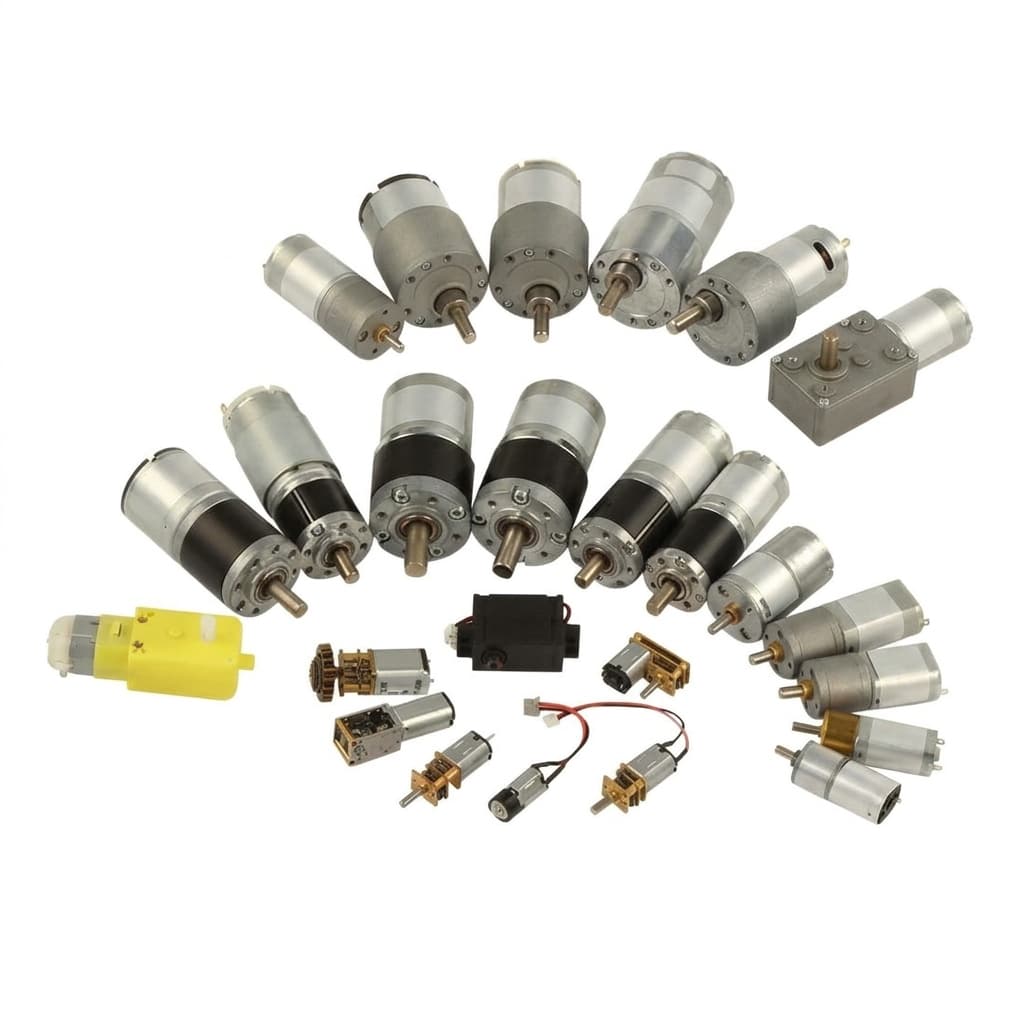
Micro DC Gear Motors
Custom brushed DC micro gear motors for compact mechanisms that need controlled output speed and higher torque.
Micro Geared Drive Engineering
Miniature geared drive assemblies for engineering teams that need more than a catalog motor: ratio selection, shaft and flange changes, encoder or harness integration, validation support, and a clear sample-to-volume path.
DC, BLDC, planetary, spur, worm, encoder, and right-angle families.
Ratio, shaft, flange, gear material, grease, encoder, harness, and connector.
RFQ review, sample build, validation report, and production release planning.


Inquiry Email
Include target torque/speed, quantity, and delivery location.
Product Capability
Compare the major miniature drive families by packaging, torque-density need, output direction, feedback requirement, and customization path.
Custom brushed DC micro gear motors for compact mechanisms that need controlled output speed and higher torque.
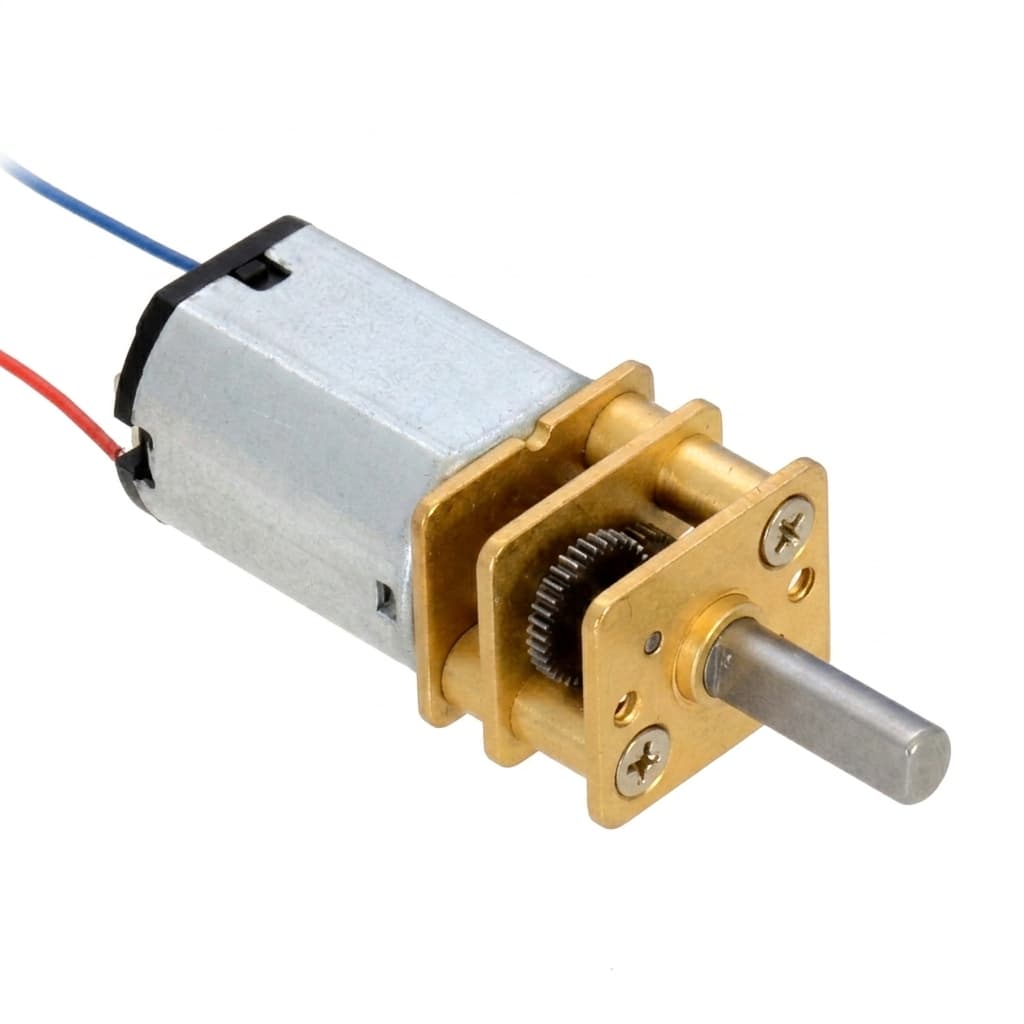
Miniature planetary gear motors for high torque density, coaxial packaging, and compact robotic or instrument drives.
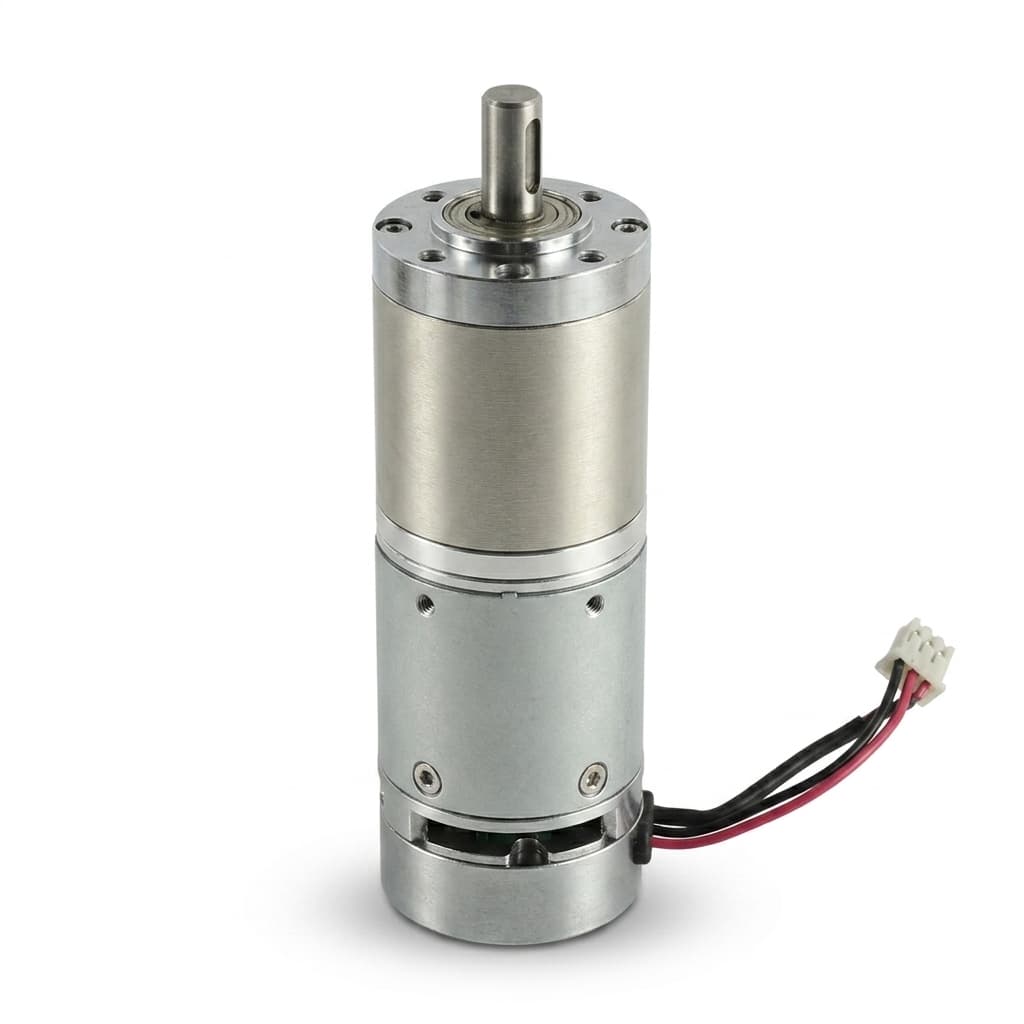
Right-angle worm micro gear motors for compact mechanisms that need self-locking behavior or perpendicular output.
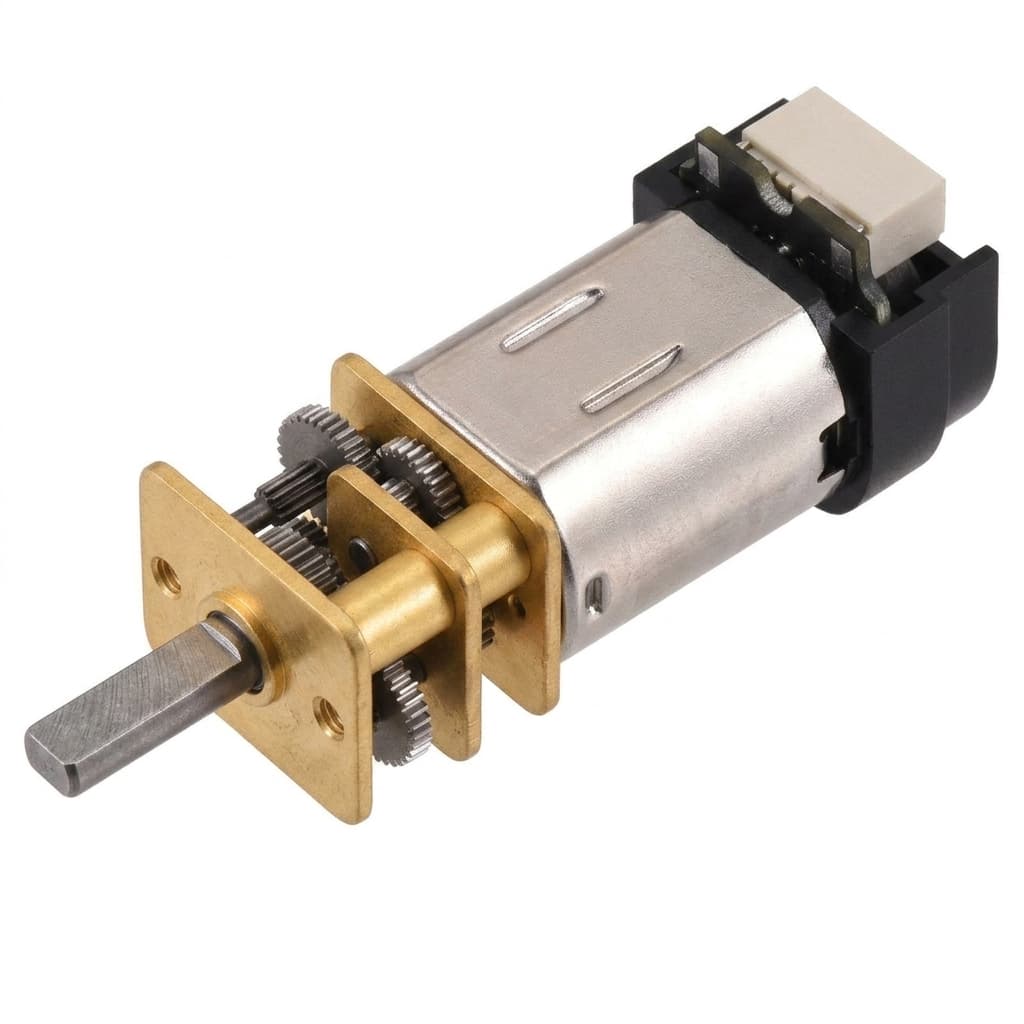
Micro geared motors with magnetic, Hall, or optical feedback for speed control, position monitoring, and closed-loop motion.
Buyer Priorities
Successful miniature drive programs depend on clear product architecture, customization boundaries, validation targets, timing, engineering support, and RFQ completeness.
Source micro DC, BLDC, planetary, spur, worm, encoder, right-angle, hollow-shaft, and low-noise gearmotor families for 6mm to 42mm class mechanisms.
Review ratio, winding, shaft, flange, mounting holes, gear material, grease, encoder, Hall feedback, lead wire, connector, label, and packaging before tooling.
Define incoming checks, sample acceptance points, loaded torque-speed-current checks, noise or life tests, EOL criteria, inspection records, and batch traceability.
Separate off-the-shelf sample review, modified sample builds, pilot runs, and volume production so launch timing is visible before commercial lock.
Discuss no-load speed vs. loaded speed, stall torque risk, backlash, duty cycle, self-locking behavior, thermal rise, and mechanism fit with sales engineering.
Share voltage, torque, output RPM, ratio, OD, length, shaft drawing, duty cycle, noise, life, quantity, destination, and schedule for faster quoting.
RFQ Parameters
A quote is faster and more accurate when the request includes the load point, mechanical envelope, interface drawing, validation targets, and production schedule.
Buyer Review Path
Use this buyer path to move from fit selection into technical templates, validation records, quality documents, and RFQ submission before sample approval.
Decision Signals
A compact view of the operating window, ratio review, inspection expectation, and RFQ response path buyers usually check first.
Diameter range
Ratio review range
End-of-line testing
Initial RFQ review
Quality Control
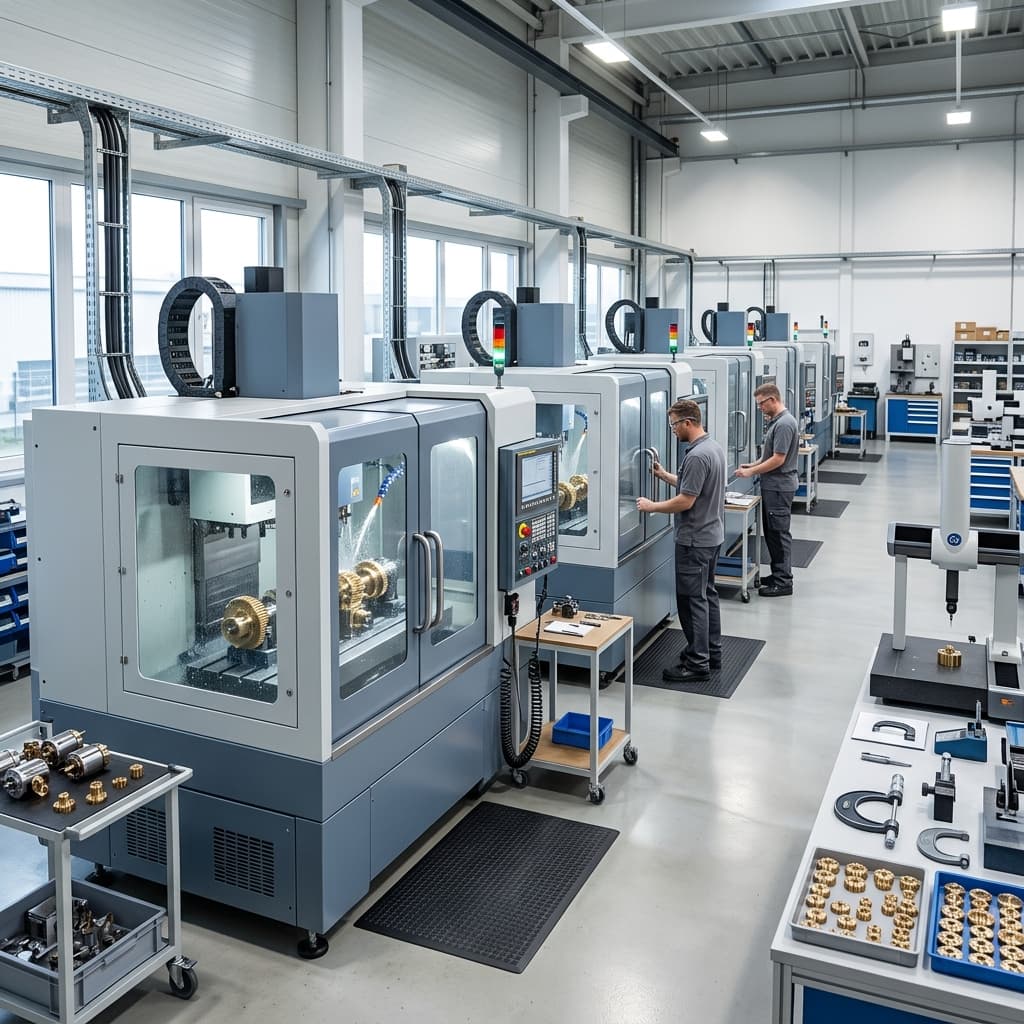
Sourcing risk is reduced when drawings, sample acceptance points, batch inspection records, and end-of-line checks are defined before production. We support shaft and gear machining, controlled assembly, and export-ready documentation for compact drive programs.

Sample to Volume
Start with the mechanism and loaded output target, then lock the sample specification, validate it in the real assembly, and release production with inspection criteria.
Confirm OD, length, output direction, load point, duty cycle, and whether the program needs planetary, spur, worm, BLDC, encoder, or right-angle packaging.
Freeze the first drawing package: ratio, motor winding, shaft, flange, connector, gear material, grease, label, and inspection points.
Check torque, speed, current, temperature rise, noise, backlash, self-locking behavior, or life targets against the buyer mechanism.
Move from accepted samples into pilot builds, batch pricing, EOL criteria, packaging, traceability, and export delivery planning.
A complete inquiry lets sales engineering quote the right gearbox architecture, avoid no-load-speed mistakes, and plan sample timing before tooling or volume commitments.
Typical application
Buyers usually evaluate high torque density, reversing load, backlash, and encoder fit.
View fit guideTypical application
Buyers usually evaluate self-locking review, compact 90-degree layout, quiet operation.
View fit guideTypical application
Buyers usually evaluate low noise, smooth speed, life validation, and documentation.
View fit guideTypical application
Buyers usually evaluate shock load, duty cycle, batch repeatability, and lead time.
View fit guideApplications & Case Briefs
Compare medical, robotics, AGV, smart lock, valve, industrial, and compact hardware scenarios by load profile, feedback, acoustic, EMI, self-locking, validation, and RFQ evidence.
Use this matrix to narrow the architecture before requesting a drawing review, sample build, or batch quotation.
| Family | Best Fit | Custom Range | Quality Question | Buyer Input |
|---|---|---|---|---|
| Micro DC Gear Motors | Compact, economical geared drives for locks, valves, latches, and battery devices. | Diameter class: 6mm-42mm | Review stall torque, duty cycle, and gear material before sample release. | Target OD, maximum gearbox length, and mounting clearance. |
| Micro Planetary Gearmotors | Coaxial output where torque density, compact OD, and reversing load matter. | Reduction ratio: 3:1-1000:1 | Use loaded output speed and torque, not catalog no-load speed, for selection. | Maximum OD, total length, mounting reference, and output load location. |
| Worm Micro Gear Motors | Right-angle output or resistance to back-driving in shallow mechanisms. | Output layout: 90-degree right angle | Validate duty cycle, stall time, and lubricant before production approval. | Motor direction, output shaft orientation, mounting hole references, and available height. |
| Encoder Micro Gearmotors | Speed or position feedback for closed-loop control and controlled actuation. | Feedback type: Hall, magnetic, optical | Review cable routing, shielding, connector, and pull-up requirements during sample planning. | Required PPR/CPR, signal type, supply voltage, and controller input format. |
| Micro BLDC Gear Motors | Longer service life, efficiency, and quiet operation in compact continuous-duty devices. | Lifespan: 10,000+ hours | Provide clear wiring diagrams, driver specs, and sample validation before mass production. | Duty cycle, life hours, ambient temperature, and serviceability limit. |
| Micro Spur Gear Motors | Simple compact reduction where cost, fast sampling, and broad ratios matter. | Cost efficiency: High volume, low unit cost | Use metal gears for the final stages if shock loads are anticipated. | Target unit cost, sample quantity, annual volume, and launch schedule. |
| Right-Angle Micro Geared Motors | 90-degree output when the mechanism cannot align motor and load coaxially. | Space savings: Application-specific | Upgrade to ball bearings if high axial loads are expected. | Maximum length, width, height, mounting plane, and shaft direction. |
| Hollow-Shaft Micro Gearmotors | Pass-through shafts, centered cables, or direct coupling around an axis. | Inner diameter: 2mm - 15mm | Ensure the inner bore is smooth and appropriately sized for the wire bundle. | Required inner diameter, cable bundle size, bend radius, and clearance. |
| N20 Micro Gear Motors | Fast fit checks in very compact devices before a modified batch specification. | Body class: N20 / 12mm gearbox class | Compare loaded speed, torque, current, and duty cycle before approving samples. | Reference motor code, photos, maximum length, and mounting references. |
| Low-Noise Micro Gear Motors | Acoustic-sensitive mechanisms where gear train, grease, and mounting control matter. | Acoustic target: Buyer-defined dB(A) | Validate the motor in the real mounting condition and tune gear material, grease, and speed together. | dB(A) limit, distance, background noise, enclosure, and pass/fail method. |
Knowledge Base
Practical buyer-side checklists, decision frameworks, and technical insights from our engineering team.

A financial and engineering comparison between Brushless (BLDC) and Brushed DC gear motors, analyzing lifespan, maintenance, and electronic integration costs.


A practical overview of incoming inspection, in-process checks, end-of-line testing, and traceability controls for OEM micro gear motor programs.


A practical guide for OEM engineers and purchasing managers on interpreting micro gear motor datasheets, calculating loads, and reducing premature failure risk.
FAQ
Share the target load point, envelope, drawing, validation targets, quantity, and schedule. Sales engineering will evaluate the drive architecture and reply with a practical sample or production path.
Inquiry Email
Include target torque/speed, quantity, and delivery location.