Back to Solutions

Drives for Instrument & Consumer Hardware OEMs

Precision, low-noise geared motors tailored for cameras, optical instruments, and high-end consumer electronics.

Target Buyer:For product designers where acoustic noise and precise positioning are the primary constraints.
Drives for instrument and consumer hardware OEMs

Solution Highlights

  • Ultra-low noise profiles
  • High precision and low backlash
  • Compact footprint

Common Use Cases

  • Camera lenses
  • Optical drives
  • Premium consumer devices

Implementation Focus

  • Acoustic emission testing
  • Smooth motion without cogging
  • Miniaturization techniques

Application Drive Profile

Recommended Architecture and Validation Focus

Application
Instrument / premium consumer hardware
Priority
Compact fit, low noise, smooth motion, cost control
Architecture
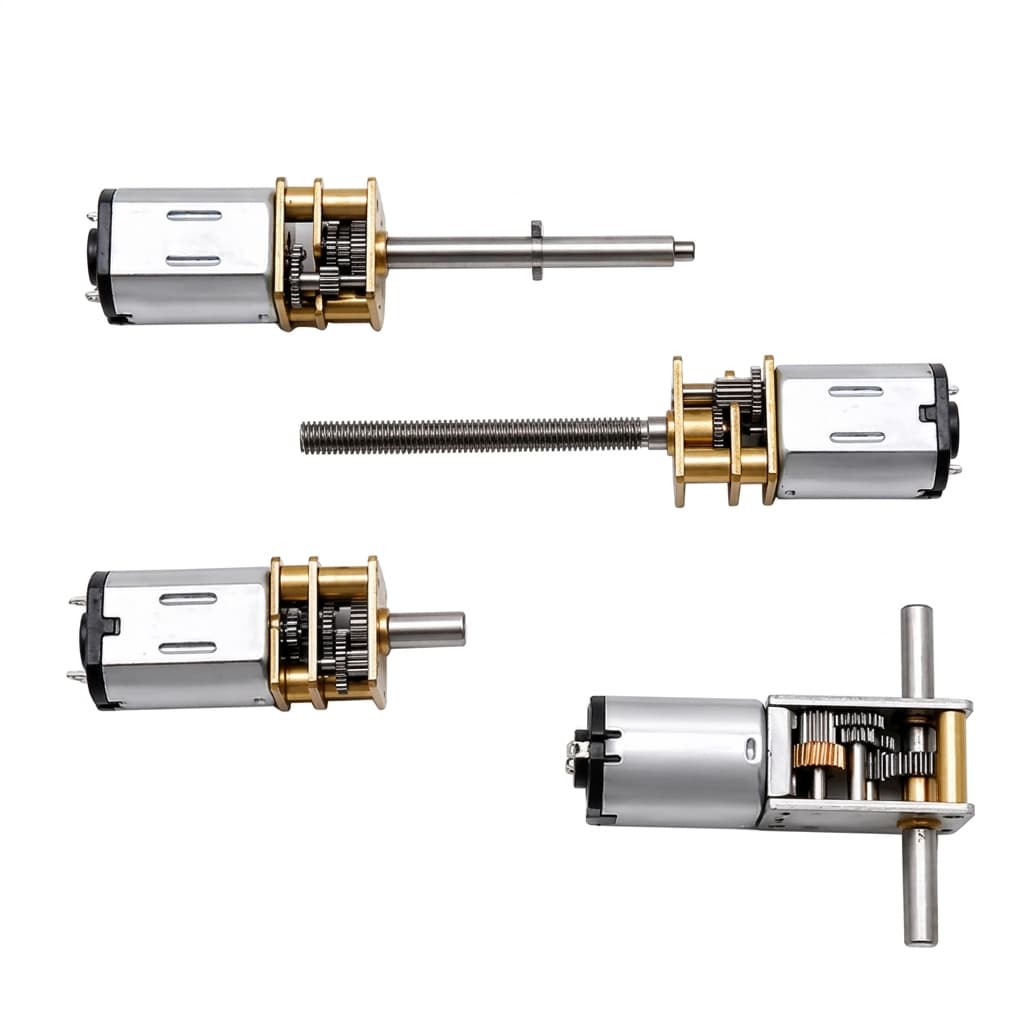
N20 spur, low-noise planetary, hollow-shaft, or right-angle drive
Voltage
3V-12V
Feedback
Optional encoder, Hall, or open-loop by motion tolerance
Validation
Acoustic feel, drop-in fit, life, batch consistency

Camera lenses, optical modules, dispensers, wearables, and compact user-facing mechanisms.

Application Selection Window

Use these inputs to narrow motor architecture, ratio, feedback, and interface choices before sample review.

ParameterSelection GuidanceBuyer Input Needed
Acoustic and tactile feelNoise, vibration, and motion feel should be checked inside the final enclosure or a representative assembly.dBA limit, subjective sound concern, enclosure material, and measurement setup.
Compact package limitsMotor diameter, gearbox length, shaft projection, connector, and bend radius must fit the industrial design.3D envelope, mounting clearance, harness route, and allowed connector height.
Precision and smoothnessLow backlash, feedback, and gear architecture should be selected from the visible motion requirement.Allowed backlash, speed tolerance, positioning target, and feedback signal needs.
Production consistencyConsumer hardware programs should lock inspection windows before EVT, DVT, or pilot release.Sample stage, annual forecast, CTQ list, packaging, and labeling requirements.

Application Architecture Fit

Match the device constraint to a motor architecture, required buyer input, and proof package before sample release.

RequirementRecommended PathBuyer InputProof to Request
Fixed industrial-design envelopeSelect compact N20, spur, hollow-shaft, or right-angle geometry around the CAD envelope.Motor OD, gearbox length, shaft projection, connector height, and harness route.Envelope drawing, CTQ dimension inspection, and pilot assembly photo record.
Quiet user-facing motionTune motor speed, gear material, grease, mounting support, and enclosure resonance.dBA limit, enclosure material, measurement method, and subjective sound issue.In-device acoustic comparison and lot-level noise inspection window.
Visible smoothness or positioningUse low-backlash gearing or feedback when stick-slip, cogging, or visible drift matters.Allowed backlash, motion tolerance, speed profile, feedback need, and control method.Motion smoothness review, feedback signal check, and approved-sample comparison.

Application Evidence Pack

Request the right proof set for Drives for Instrument & Consumer Hardware OEMs

These buyer-side templates connect the application page to RFQ intake, architecture review, sample validation, and quality release. They make procurement and engineering ask for the same documents at the same approval stage.

Request Application Review

Use-case definition

Application RFQ Scope

Frame Drives for Instrument & Consumer Hardware OEMs with the same load, motion, voltage, envelope, interface, project stage, and forecast inputs used by the engineering team.

  • Strict noise thresholds (dB)
  • Maximum physical envelope
  • Resolution (if using encoders)

Motor architecture fit

Architecture Proof Request

Use application-specific proof requests to decide whether spur, planetary, worm, right-angle, encoder, or custom interface paths should move into sample review.

  • Envelope drawing, CTQ dimension inspection, and pilot assembly photo record.
  • In-device acoustic comparison and lot-level noise inspection window.
  • Motion smoothness review, feedback signal check, and approved-sample comparison.

Sample validation

Application Validation Record

Keep loaded speed, current, torque, temperature, acoustic, duty-cycle, and risk notes comparable before sample approval.

  • Pilot-lot acoustic report compared with approved sample.
  • Assembly drawing and incoming inspection checklist.
  • Revision-controlled DFM review and quote assumptions.

Pilot / repeat order

Pilot Quality Release

Tie the approved application sample to incoming inspection, EOL checks, packaging, labeling, and compliance documents before repeat orders scale.

  • Noise and motion smoothness review in the buyer device or representative enclosure.
  • Dimensional inspection for shaft, mounting, connector, and envelope CTQ items.
  • Loaded current, speed, and thermal check at the declared user duty cycle.

Application Evaluation Matrix

Evaluation MetricTypical RangeBuyer Relevance
Acoustic noise limitUnder 40dBEssential for consumer acceptance in premium hardware.
Motion smoothnessApplication and control dependentLens, optical, and user-facing mechanisms can expose cogging, backlash, and stick-slip that a basic RPM check misses.
Package envelope6mm-42mm class optionsConsumer devices often need the motor, gearbox, shaft, and harness designed around fixed ID geometry.

Validation Risks

Risks to Close Before Pilot Approval

Noise variance after pilot lot

Lock gear material, grease, motor speed, mounting support, and acoustic inspection limits.

Evidence: Pilot-lot acoustic report compared with approved sample.

Connector or wire-exit mismatch

Freeze harness direction, connector, polarity, label, and bend radius before drawings are released.

Evidence: Assembly drawing and incoming inspection checklist.

Cost drift from late customization

Separate must-have interfaces from optional cosmetic or packaging changes before tooling.

Evidence: Revision-controlled DFM review and quote assumptions.

Layered RFQ Intake

Send Enough Detail for a Useful First Reply

Use the three-layer RFQ structure: application, physical parameters, then project stage. The form routes to sales engineering and keeps email and WhatsApp fallbacks available.

Layer 1 - Application

Layer 2 - Physical Parameters

Layer 3 - Project Stage

Source: instrument-and-consumer-hardware-oems. Attach drawings, test data, or CAD files in the follow-up email thread if they cannot be submitted through this form.

Configuration Options

  • Ultra-compact spur, planetary, worm, or right-angle packages for restricted ID space.
  • Low-noise gears, grease, motor speed, and support features tuned to the enclosure.
  • Encoder, Hall, custom shaft, pulley, cam, or lens drive interface for precision motion.
  • Wire exit, connector, label, and packaging controls for repeatable assembly.

Validation Evidence to Request

  • Noise and motion smoothness review in the buyer device or representative enclosure.
  • Dimensional inspection for shaft, mounting, connector, and envelope CTQ items.
  • Loaded current, speed, and thermal check at the declared user duty cycle.
  • Pilot-lot comparison to the approved sample for acoustic and performance windows.

RFQ Preparation Checklist

  1. Strict noise thresholds (dB)
  2. Maximum physical envelope
  3. Resolution (if using encoders)
  4. User-facing duty cycle and life target
  5. Cosmetic assembly, connector, and packaging constraints

Risk and Mitigation

  • Resonance in the device enclosure: Provide samples for in-situ acoustic testing to tune the gear material and grease.
  • Late cosmetic or assembly constraint: Review wire exit, connector, label, mounting access, and packaging before drawings are frozen.

Recommended Products

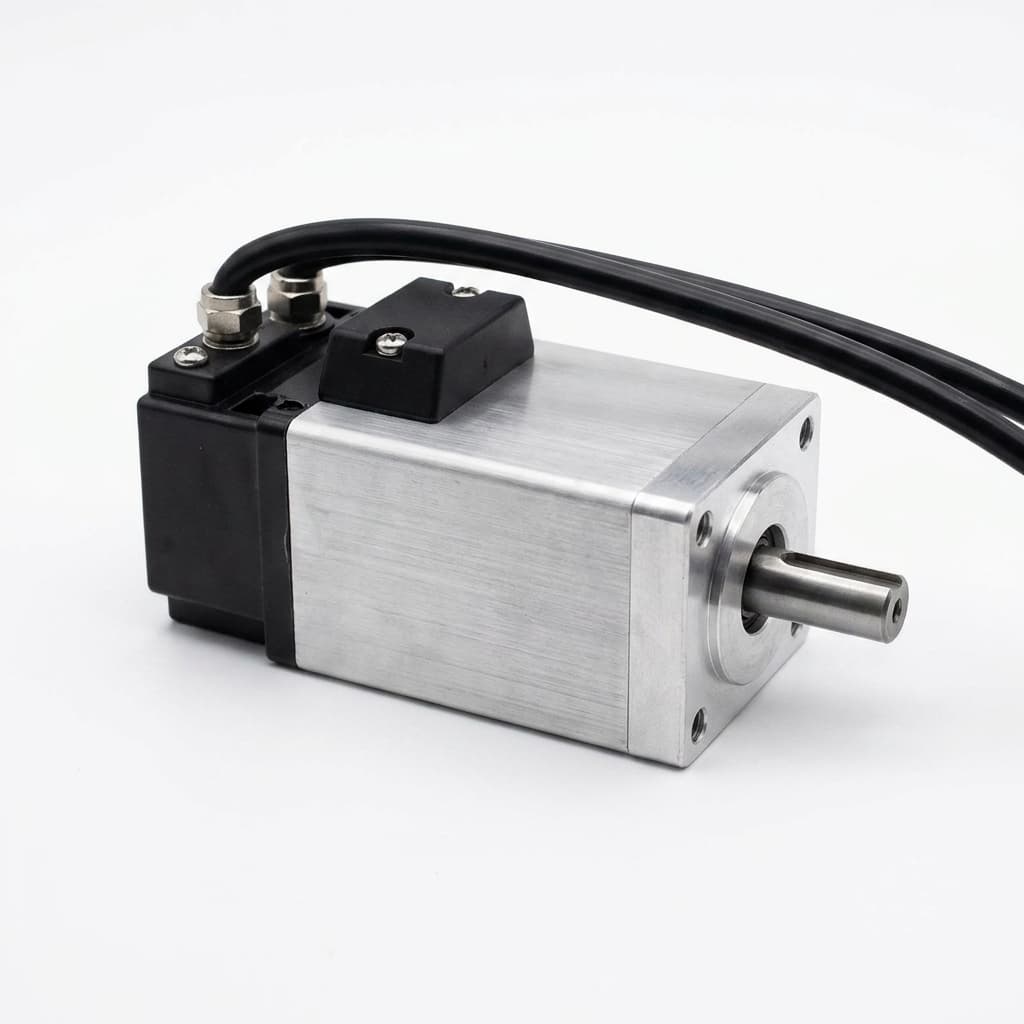
Consumer device gearmotor

Buyer FAQ

Can you provide motors small enough for wearables?

Yes, we manufacture ultra-compact gear motors down to 6mm diameter for tight spaces.

How do you reduce visible or audible motion issues?

The review can combine lower motor speed, ratio changes, gear material, grease, backlash control, and feedback options.

Recommended Decision Path

Continue from this application into matching product families, adjacent use cases, and OEM controls that affect sample approval.

Inquiry Email

[email protected]

Include target torque/speed, quantity, and delivery location.

Instant Chat

+86 188 5797 1991

Routed to sales engineering for RFQ follow-up.