
Datasheet field checklist
Lock the values engineers need before comparing no-load speed, loaded torque, current, duty cycle, life, noise, and dimensional fit.
Download buyer-side worksheets for RFQ preparation, datasheet comparison, CAD request scoping, torque-speed selection, and sample validation.
The goal is to remove early engineering friction: confirm the data fields that matter, then request a project-specific drawing pack when shaft, flange, connector, and revision control are clear.
Direct email: [email protected]
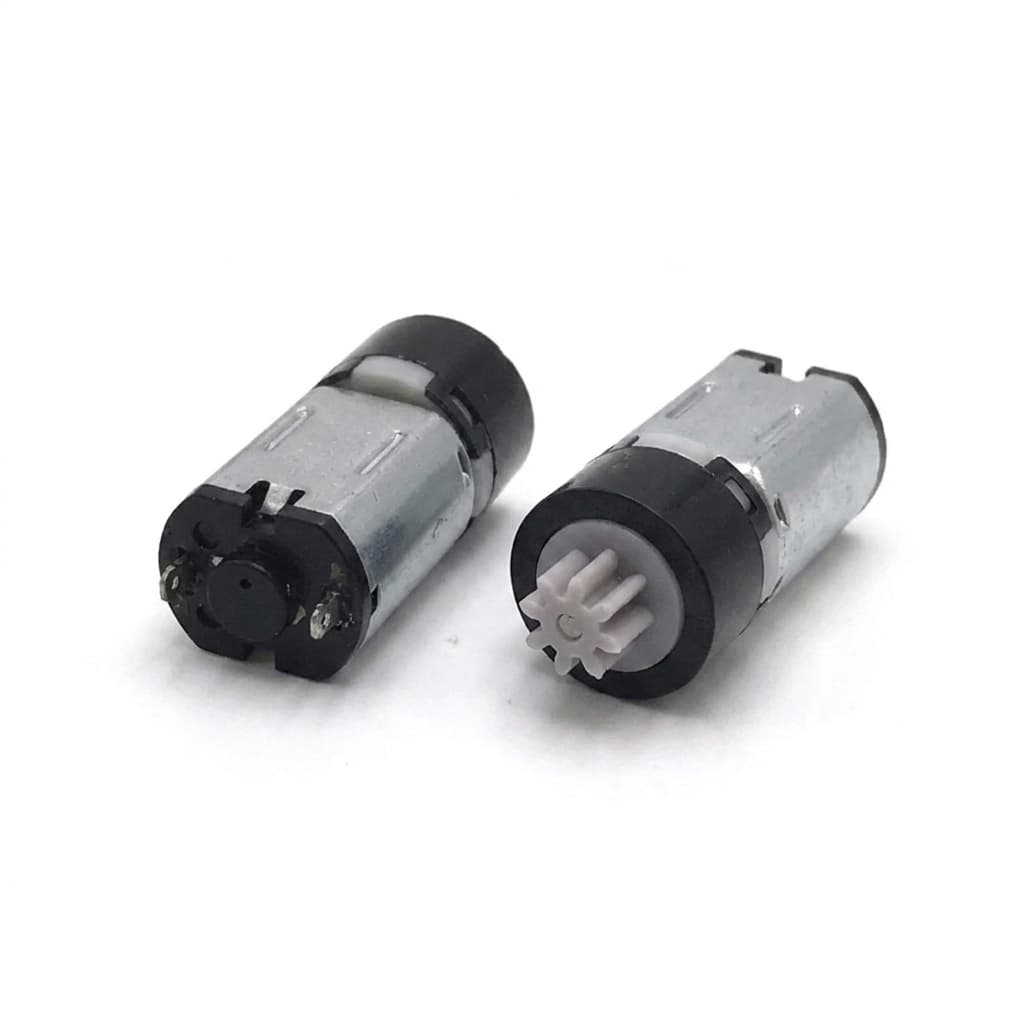
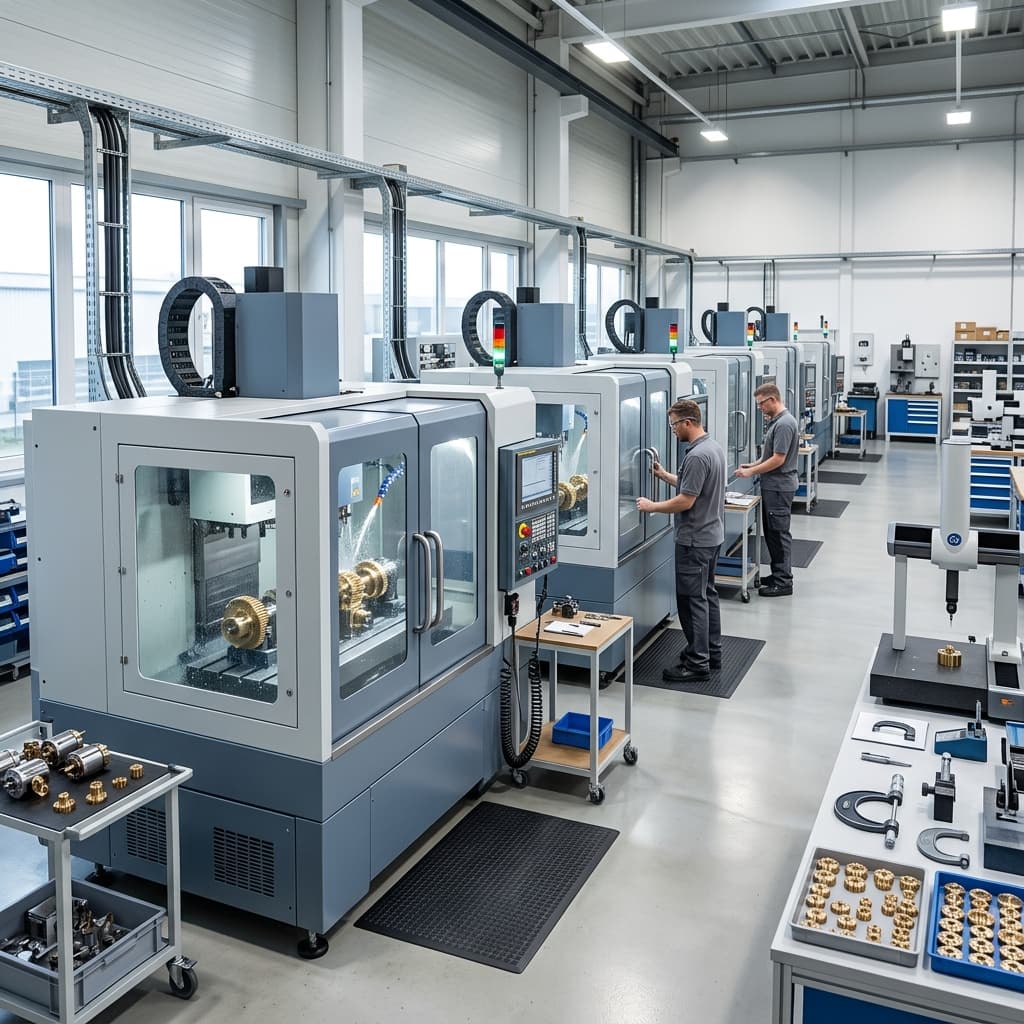
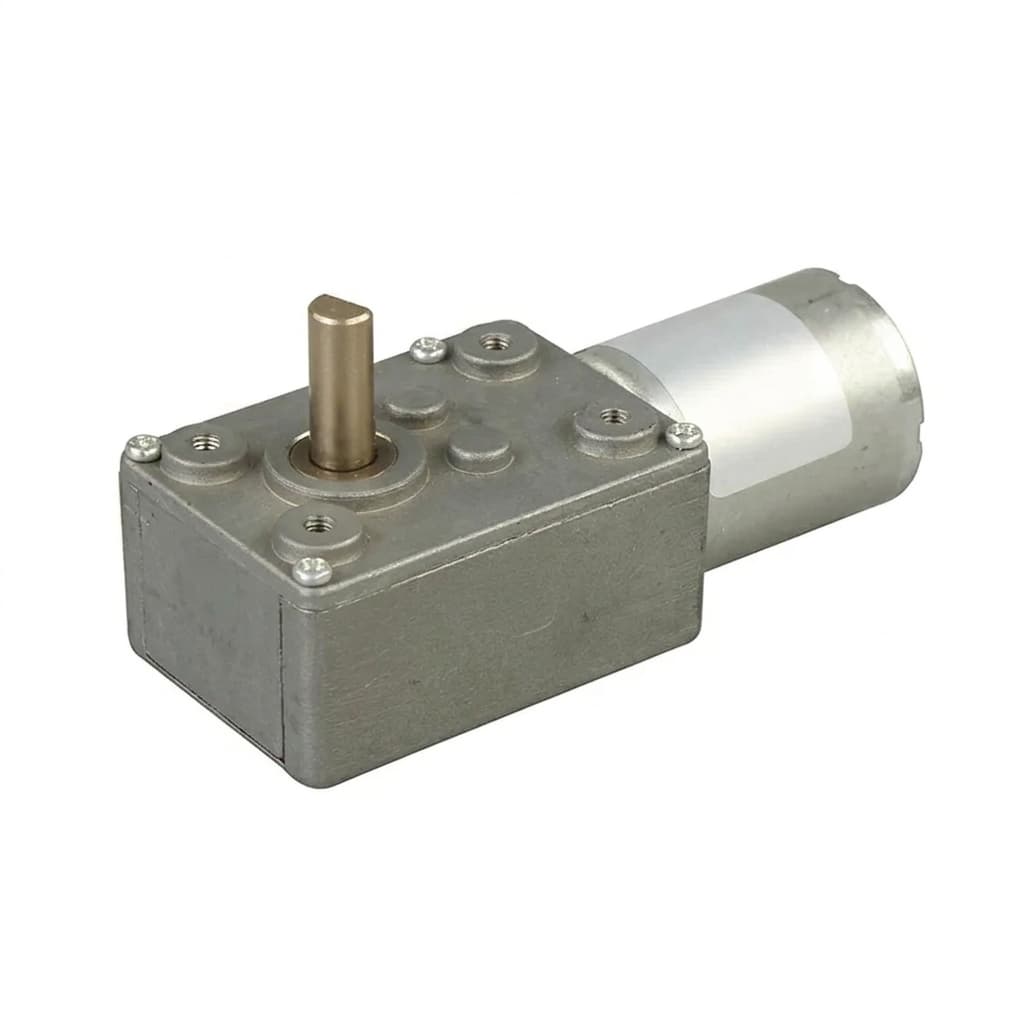
Lock the values engineers need before comparing no-load speed, loaded torque, current, duty cycle, life, noise, and dimensional fit.
Clarify the 2D outline, STEP/IGES envelope, shaft, flange, connector, and revision-control requirements before the drawing pack is released.
Translate mechanism load, target output RPM, ratio, voltage, and current limits into a quoteable micro gear motor selection path.
Define acceptance evidence for prototype, pilot, and production release: EOL checks, life test, acoustic limits, and batch traceability.
Datasheet Matrix
A datasheet is useful only when the test condition and buyer mechanism are comparable. Use these fields to avoid quoting from no-load speed, stall torque, or incomplete interface data.
| Field | Buyer Input | Why It Matters |
|---|---|---|
| Motor family and size candidate | N20, planetary, spur, worm, BLDC, encoder, OD, max length | Prevents comparing motors with different gearbox architecture or package constraints. |
| Voltage and electrical window | Nominal voltage, operating range, current limit, controller type | Keeps winding, driver, thermal rise, and battery behavior aligned from the start. |
| Torque at target speed | Continuous torque, peak torque, output RPM, duty cycle | Avoids selecting only from stall torque or no-load speed values. |
| Gear ratio and backlash | Target ratio, motion direction, reversing load, backlash limit | Separates precision motion needs from simple low-cost reduction needs. |
| Interface and envelope | Shaft drawing, flange holes, load point, connector route | Reduces sample mismatch and mechanical rework after fit checks. |
| Validation and compliance | Noise, life, temperature, EOL report, RoHS/REACH or audit needs | Lets procurement and engineering agree on evidence before quote freeze. |
CAD Request Scope
CAD files should match the actual motor configuration, not a generic catalog shell. Define the deliverable and project inputs before requesting 2D or 3D files.
| Deliverable | Buyer Input Needed | Release Note |
|---|---|---|
| 2D outline drawing | Maximum OD, length, mounting holes, shaft feature, datum notes | Prepared after the baseline model and revision owner are confirmed. |
| 3D STEP/IGES envelope | Assembly CAD envelope, keep-out zone, output orientation | Released by project review when geometry and confidentiality scope are clear. |
| Shaft and flange detail | D-cut, thread, gear/pulley coupling, screw pattern, tolerance | Locked before tooling, pilot run, or drop-in replacement review. |
| Harness and connector drawing | Wire length, pinout, connector model, exit direction, bend radius | Matched to controller and assembly routing before sample acceptance. |
| Torque-speed or test curve | Load condition, test voltage, fixture, ambient temperature | Scoped as a project data pack when the test method is agreed. |
Evidence Pack Map
The fastest RFQs usually separate engineering fit, CAD release, lab validation, and procurement handoff. Use these packs to send the right evidence request instead of a generic catalog question.
Design engineer / sourcing engineer · Early selection and supplier shortlist
Mechanical engineer / enclosure team · Baseline motor selected before fit check
Validation engineer / lab owner · Prototype and pilot sample approval
Engineering, quality, and procurement · Quote freeze, sample PO, and pilot release
Use the Library
Collect target envelope, load point, output direction, voltage range, controller limits, and quantity plan before asking for a motor code.
Compare planetary, spur, worm, right-angle, encoder, BLDC, or N20 formats against torque density, backlash, self-locking, noise, and cost.
Ask for datasheet fields, drawing format, torque-speed evidence, and compliance files that match the project stage instead of a generic catalog file.
Tie the approved sample to drawing revision, CTQ dimensions, EOL tests, report format, and pilot or mass-production release conditions.
Download Center
These files help buyers prepare complete engineering requests. They are templates, not final datasheets, certificates, or universal CAD models.
Product Evidence
Use these examples to decide which geometry questions belong in the first RFQ email: coaxial torque density, lead-wire routing, or right-angle output packaging.
Micro planetary gear motor sample used for CAD envelope and torque density review
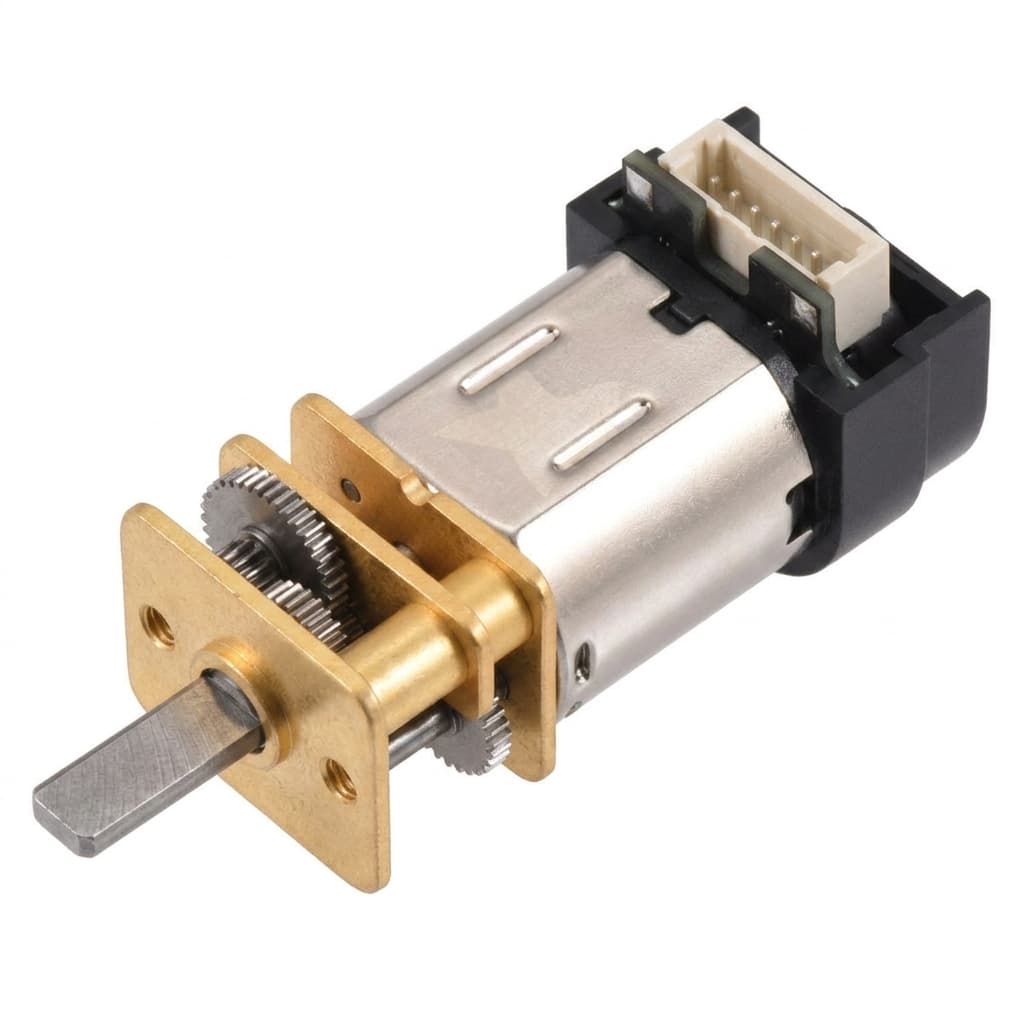
Miniature DC gear motor with lead wires for shaft connector and datasheet field review
Worm micro gear motor sample for right-angle CAD envelope and self-locking review
No. A usable CAD pack depends on shaft, flange, connector, gearbox ratio, and drawing revision. Request the project pack after baseline selection.
Send torque at speed, voltage, current limit, duty cycle, envelope, shaft detail, connector route, and validation needs.
Use them before supplier review, prototype request, PPAP-style sample gate, or any quote where drawings and evidence matter.
Inquiry Email
Include target torque/speed, quantity, and delivery location.