
Back to Solutions

Medical and Instrument Mini Drive Motors

Quiet miniature gearmotor options for pumps, sampling modules, lab instruments, and compact precision devices.

Target Buyer:For engineering teams that care about acoustic noise, duty cycle, and stable validation documentation.
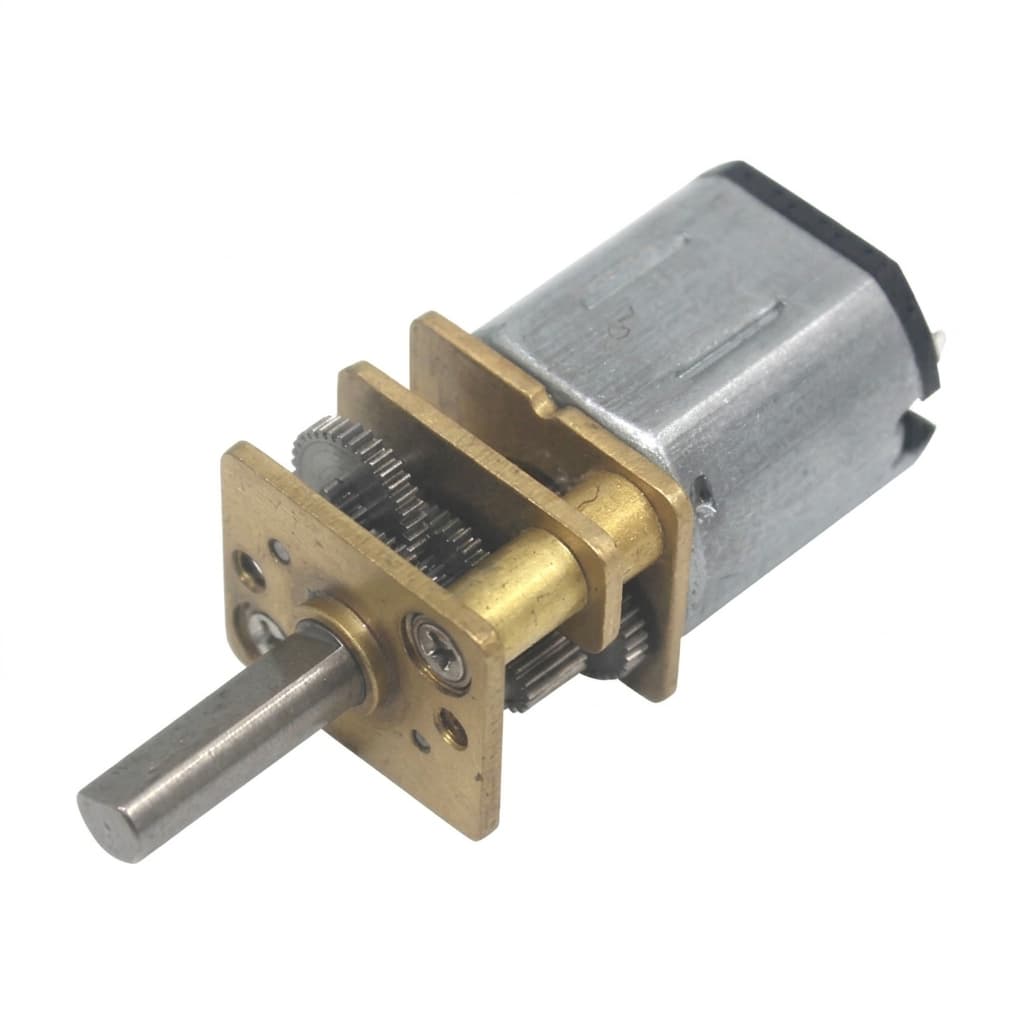
Medical and instrument miniature drive motor

Solution Highlights

  • Low noise review
  • Stable speed options
  • Traceable sample approval

Common Use Cases

  • Medical pumps
  • Lab automation
  • Optical instruments

Implementation Focus

  • Noise and vibration
  • Duty cycle and thermal rise
  • Batch consistency and inspection points

Application Drive Profile

Recommended Architecture and Validation Focus

Application
Medical / lab instrument / precision pump
Priority
Low EMI, smooth speed, low noise, traceable validation
Architecture
Low-noise planetary, BLDC geared drive, or encoder gearmotor
Voltage
3V-24V
Feedback
Encoder, Hall, or stable speed control by module need
Validation
EMI, thermal rise, acoustic noise, life, traceability

IVD analyzers, insulin pumps, sampling modules, optical instruments, and rehab devices.

Application Selection Window

Use these inputs to narrow motor architecture, ratio, feedback, and interface choices before sample review.

ParameterSelection GuidanceBuyer Input Needed
Noise and vibration windowGear material, motor speed, preload, grease, and mounting all affect acoustic results in small instruments.dBA target, vibration concern, measurement method, and enclosure details.
Duty cycle and thermal riseContinuous, intermittent, and burst operation should be separated before motor selection.Load torque, run time, rest time, ambient range, and maximum allowed surface temperature.
Precision and feedbackEncoder, Hall, or ratio changes may be needed when speed stability or position confirmation is required.Speed tolerance, positioning requirement, controller type, and feedback signal.
Documentation and traceabilityInspection windows and records should be agreed before pilot release to avoid requalification work.Required certificates, outgoing test data, labeling, and retention expectations.

Application Architecture Fit

Match the device constraint to a motor architecture, required buyer input, and proof package before sample release.

RequirementRecommended PathBuyer InputProof to Request
Smooth pump or sampler motionUse stable winding, low-noise gearing, and feedback when flow or position tolerance is tight.Flow or motion target, speed tolerance, controller type, and load profile.Loaded speed stability, feedback signal, and current ripple review.
Low EMI near sensors or electronicsReview motor type, suppression path, harness routing, and controller interface early.Sensitive electronics, voltage, driver type, cable length, and compliance target.EMI risk review, wiring drawing, and sample-level electrical test data.
Regulated or documented sample approvalFreeze drawing revision, CTQ windows, labeling, and outgoing inspection records.Documentation needs, traceability level, lot controls, and retention expectations.Controlled drawing, outgoing test report, and sample approval record.

Application Evidence Pack

Request the right proof set for Medical and Instrument Mini Drive Motors

These buyer-side templates connect the application page to RFQ intake, architecture review, sample validation, and quality release. They make procurement and engineering ask for the same documents at the same approval stage.

Request Application Review

Use-case definition

Application RFQ Scope

Frame Medical and Instrument Mini Drive Motors with the same load, motion, voltage, envelope, interface, project stage, and forecast inputs used by the engineering team.

  • Noise and vibration acceptance target
  • Duty cycle, load profile, and allowable temperature rise
  • Required speed stability, feedback, or control interface
Motor architecture fit

Architecture Proof Request

Use application-specific proof requests to decide whether spur, planetary, worm, right-angle, encoder, or custom interface paths should move into sample review.

  • Loaded speed stability, feedback signal, and current ripple review.
  • EMI risk review, wiring drawing, and sample-level electrical test data.
  • Controlled drawing, outgoing test report, and sample approval record.

Sample validation

Application Validation Record

Keep loaded speed, current, torque, temperature, acoustic, duty-cycle, and risk notes comparable before sample approval.

  • Thermal rise report with loaded current and run-rest schedule.
  • Speed stability or feedback verification in the buyer fixture.
  • Pilot-lot inspection report tied to approved sample revision.

Pilot / repeat order

Pilot Quality Release

Tie the approved application sample to incoming inspection, EOL checks, packaging, labeling, and compliance documents before repeat orders scale.

  • Noise and vibration check in the buyer fixture or representative enclosure.
  • Thermal rise and loaded current test under declared duty cycle.
  • Speed stability or feedback signal verification with the target controller.

Application Evaluation Matrix

Evaluation MetricTypical RangeBuyer Relevance
Acoustic targetApplication-specificNoise often decides whether a compact device can pass user acceptance.
Thermal rise under duty cycleLoad and enclosure dependentSmall sealed instruments can reject a motor that passes open-air catalog tests.
Speed stabilityMotor and control dependentPumps, samplers, and optical modules may need stable flow or positioning instead of maximum speed.

Validation Risks

Risks to Close Before Pilot Approval

Thermal rise in a sealed device

Test the motor under real duty cycle, ambient range, and enclosure airflow.

Evidence: Thermal rise report with loaded current and run-rest schedule.

Dose, flow, or position drift

Use feedback, ratio review, and speed stability checks tied to the target controller.

Evidence: Speed stability or feedback verification in the buyer fixture.

Sample-to-batch variation

Define CTQ dimensions, performance windows, labeling, and outgoing inspection before pilot.

Evidence: Pilot-lot inspection report tied to approved sample revision.

Layered RFQ Intake

Send Enough Detail for a Useful First Reply

Use the three-layer RFQ structure: application, physical parameters, then project stage. The form routes to sales engineering and keeps email and WhatsApp fallbacks available.

Layer 1 - Application

Layer 2 - Physical Parameters

Layer 3 - Project Stage

Source: medical-and-instrument-mini-drives. Attach drawings, test data, or CAD files in the follow-up email thread if they cannot be submitted through this form.

Configuration Options

  • Low-noise gear train and grease review for enclosed instrument modules.
  • Encoder or Hall feedback for pump, sampling, or optical positioning control.
  • Custom shaft, pulley, pinion, lead screw, or coupling feature for compact modules.
  • Traceable drawing, labeling, packaging, and inspection plan for pilot and volume lots.

Validation Evidence to Request

  • Noise and vibration check in the buyer fixture or representative enclosure.
  • Thermal rise and loaded current test under declared duty cycle.
  • Speed stability or feedback signal verification with the target controller.
  • Sample approval record tied to controlled drawing revision and CTQ windows.

RFQ Preparation Checklist

  1. Noise and vibration acceptance target
  2. Duty cycle, load profile, and allowable temperature rise
  3. Required speed stability, feedback, or control interface
  4. Material, grease, cleanliness, and documentation expectations
  5. Sample approval, pilot quantity, and production traceability needs

Risk and Mitigation

  • Sample-to-batch variation: Freeze drawings, inspection fixtures, and motor performance windows before production.
  • Unexpected noise after enclosure assembly: Validate the motor in the buyer module with the intended mounting, grease, and load.

Recommended Products

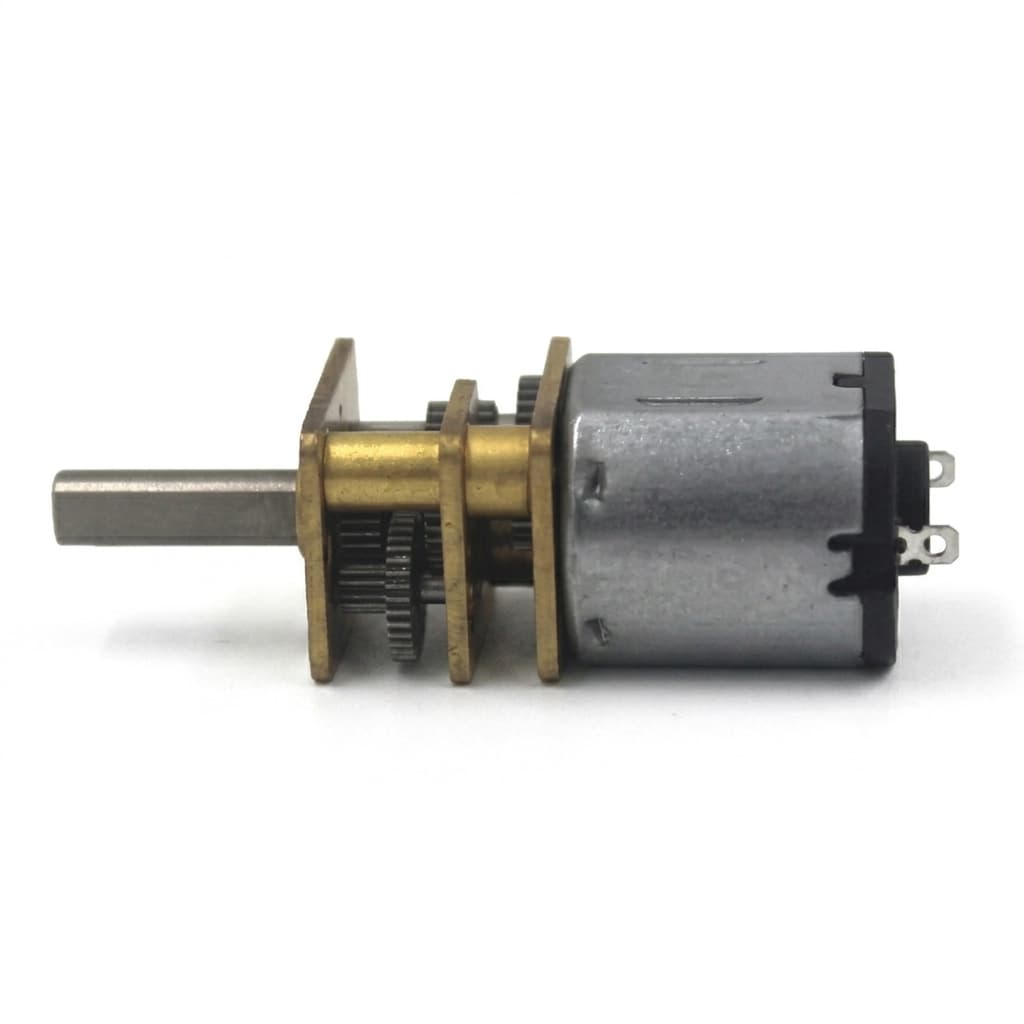
Instrument drive motor body

Buyer FAQ

Can you provide validation samples before tooling?

Yes. Standard motor samples can be used to confirm load points before custom tooling is locked.

Can documentation be planned for regulated devices?

Project-level documentation can be scoped during RFQ, including drawings, inspection reports, material files, and outgoing test records.

Recommended Decision Path

Continue from this application into matching product families, adjacent use cases, and OEM controls that affect sample approval.

Inquiry Email

[email protected]

Include target torque/speed, quantity, and delivery location.

Instant Chat

+86 188 5797 1991

Routed to sales engineering for RFQ follow-up.